GRITTY GLANCING
Bianca Phos
March 10 – April 25, 2026
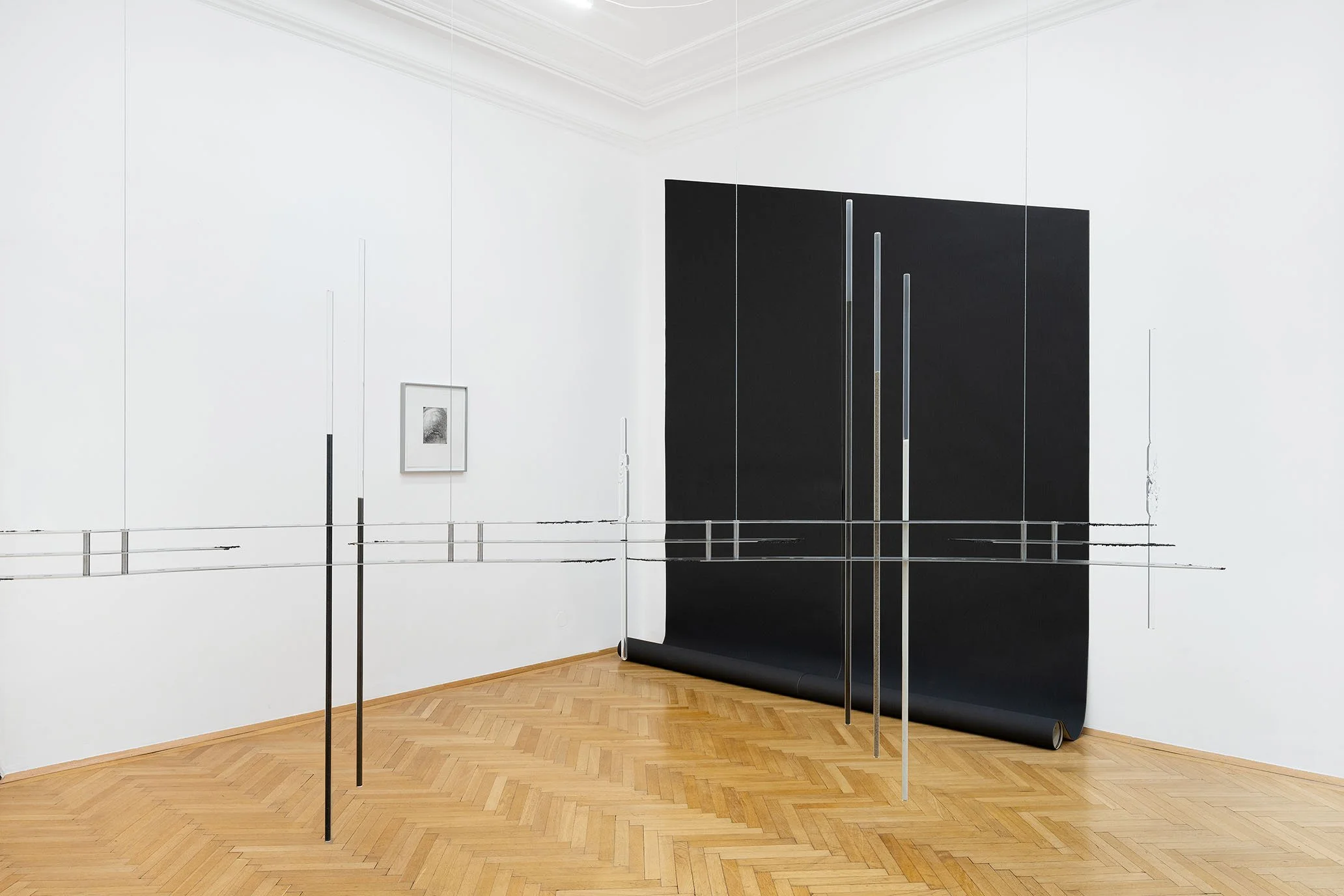
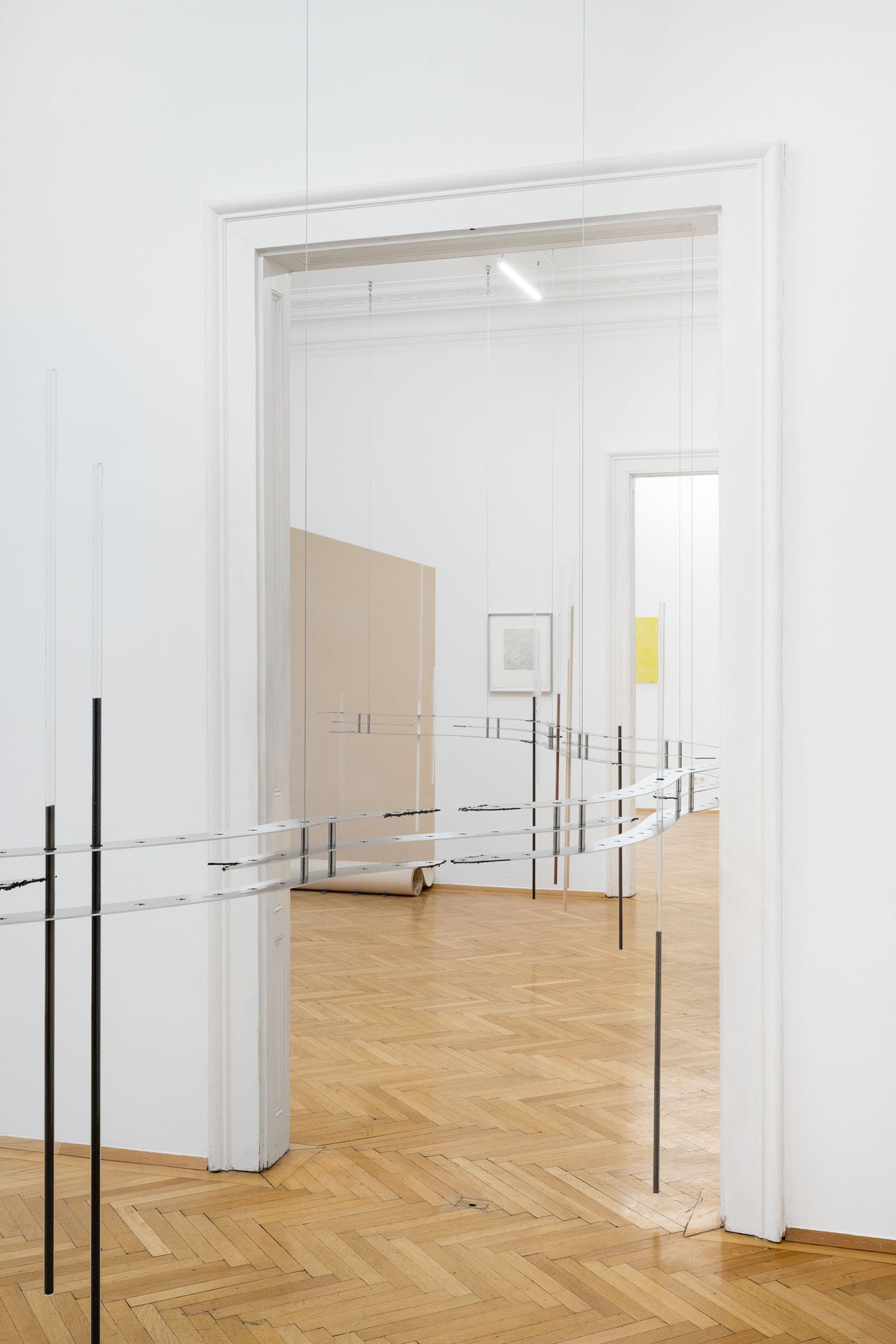
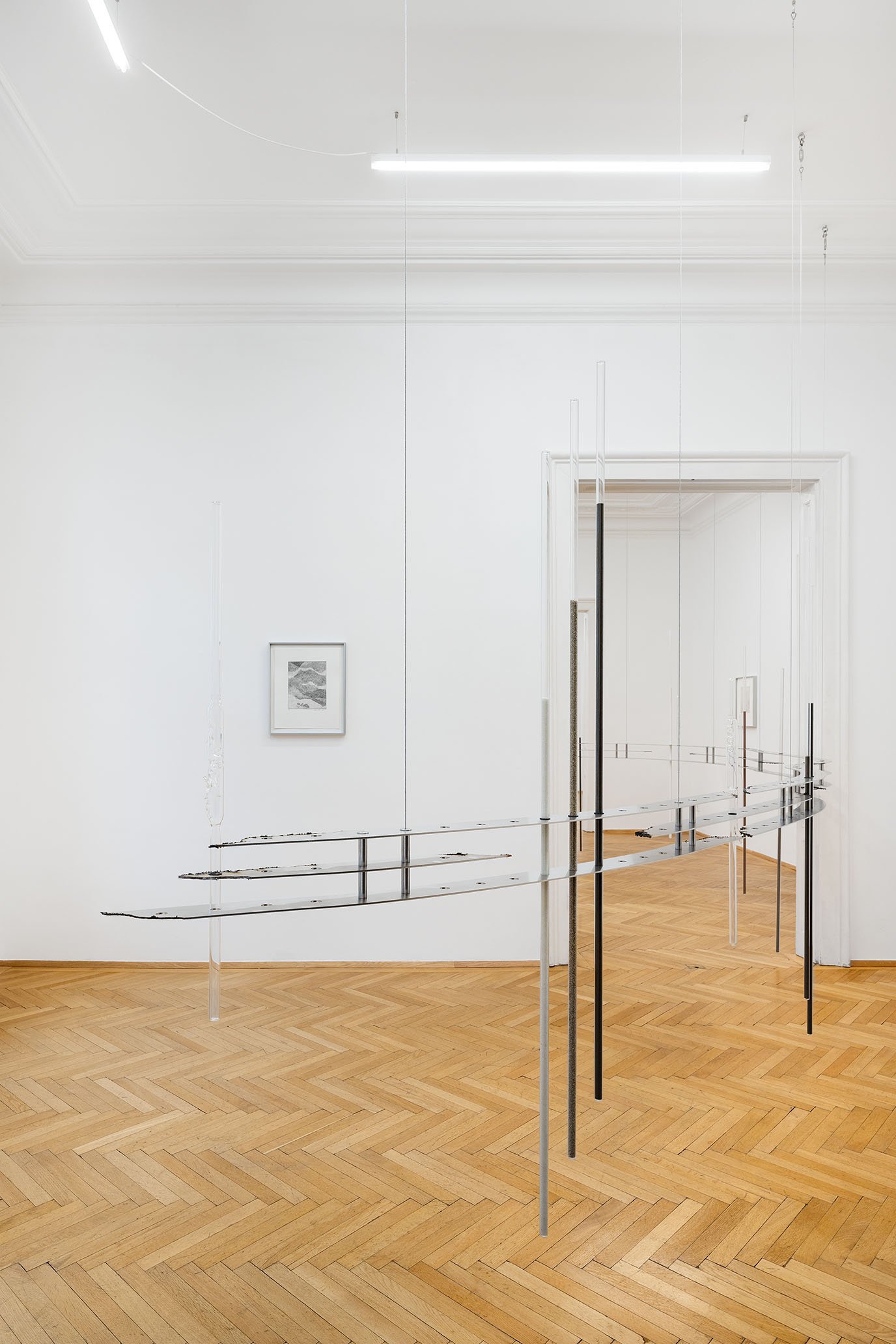
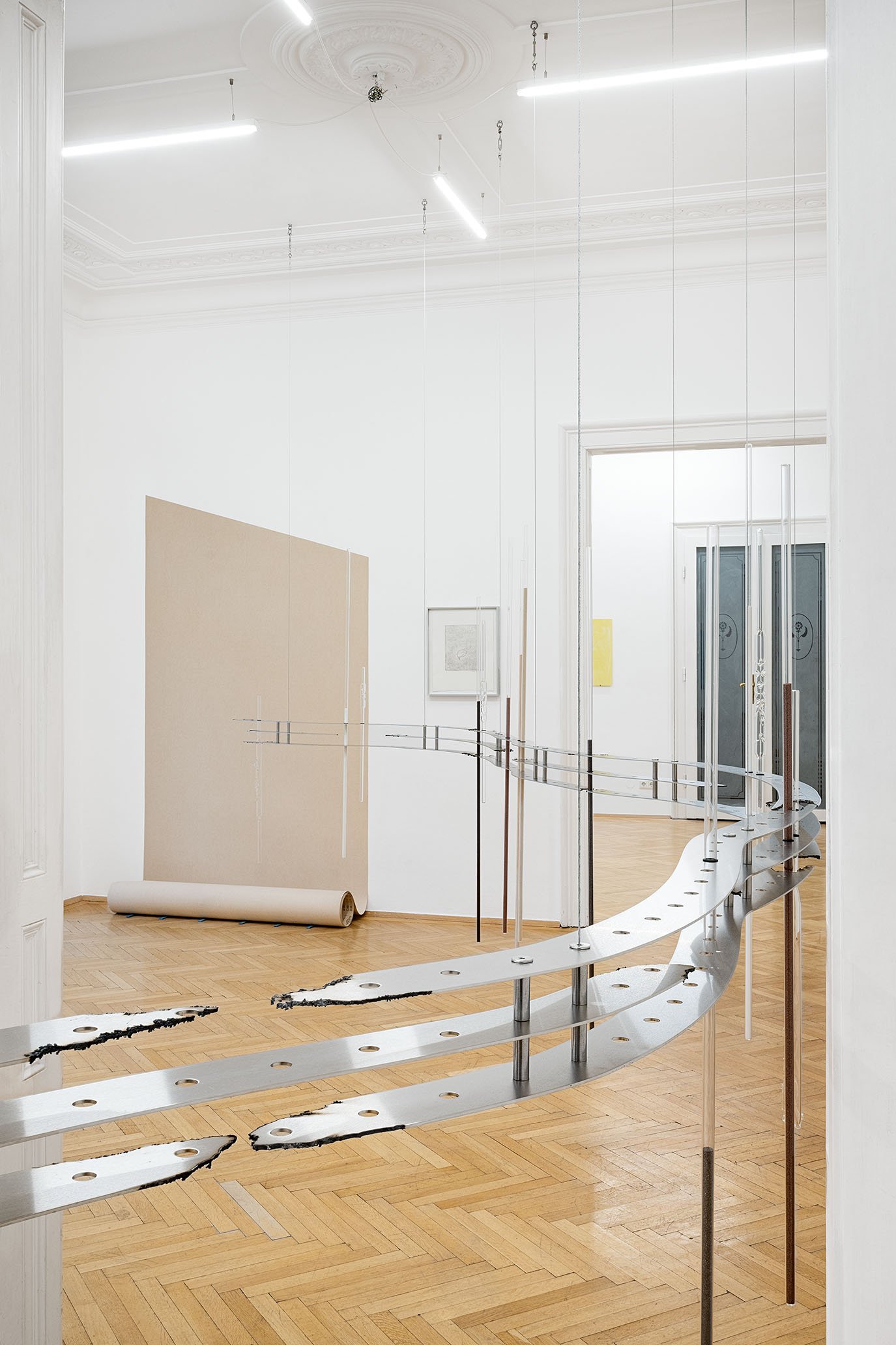
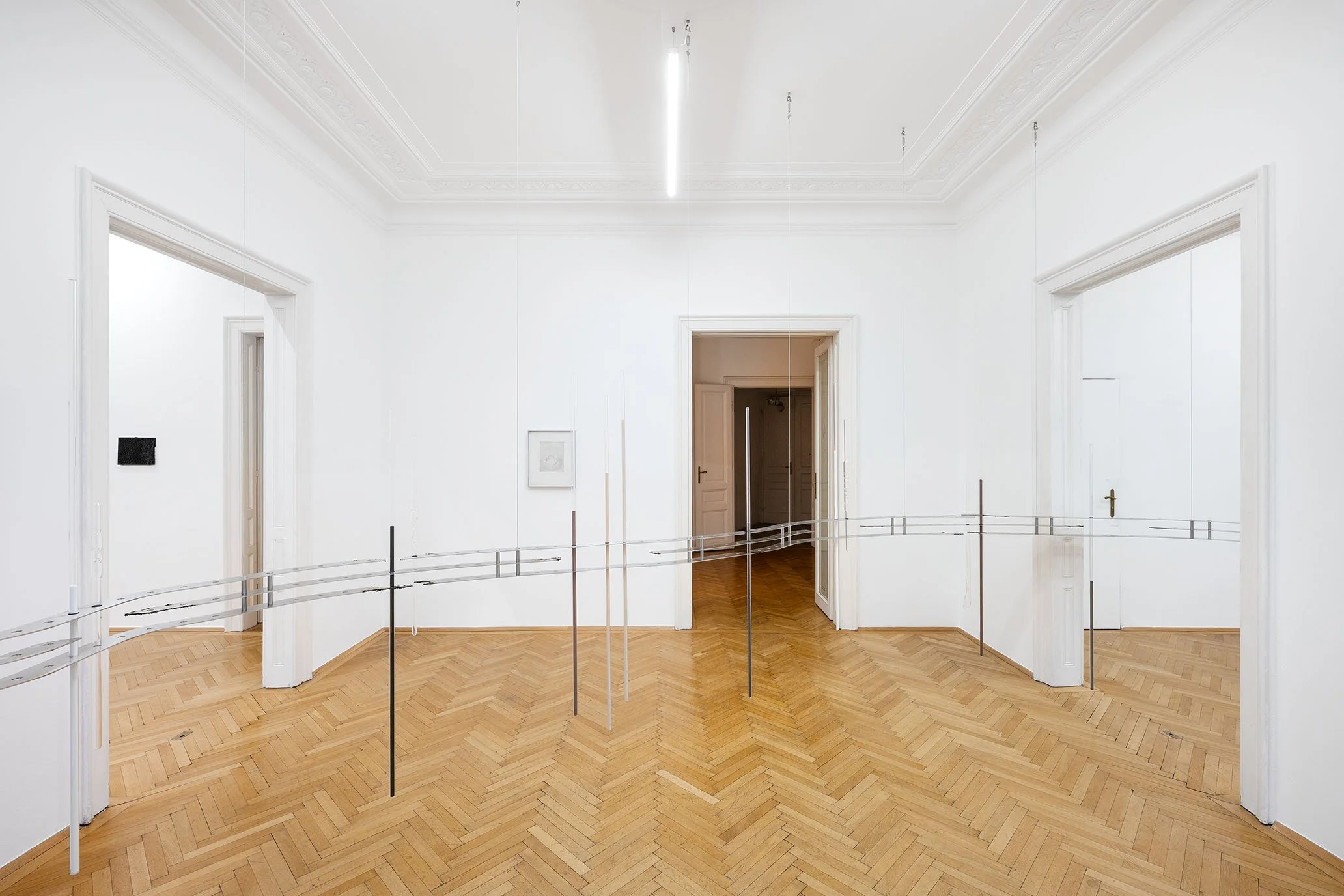
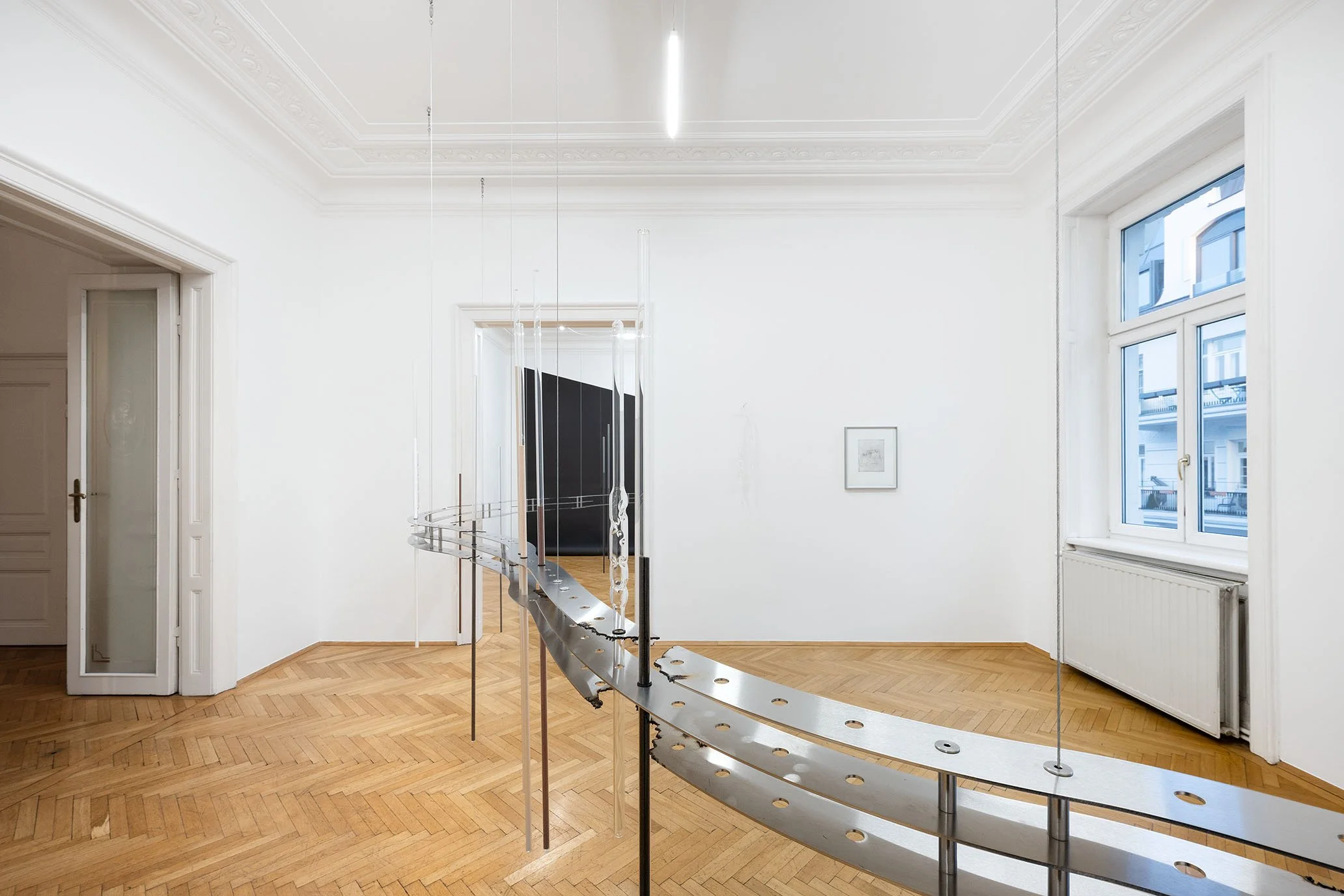
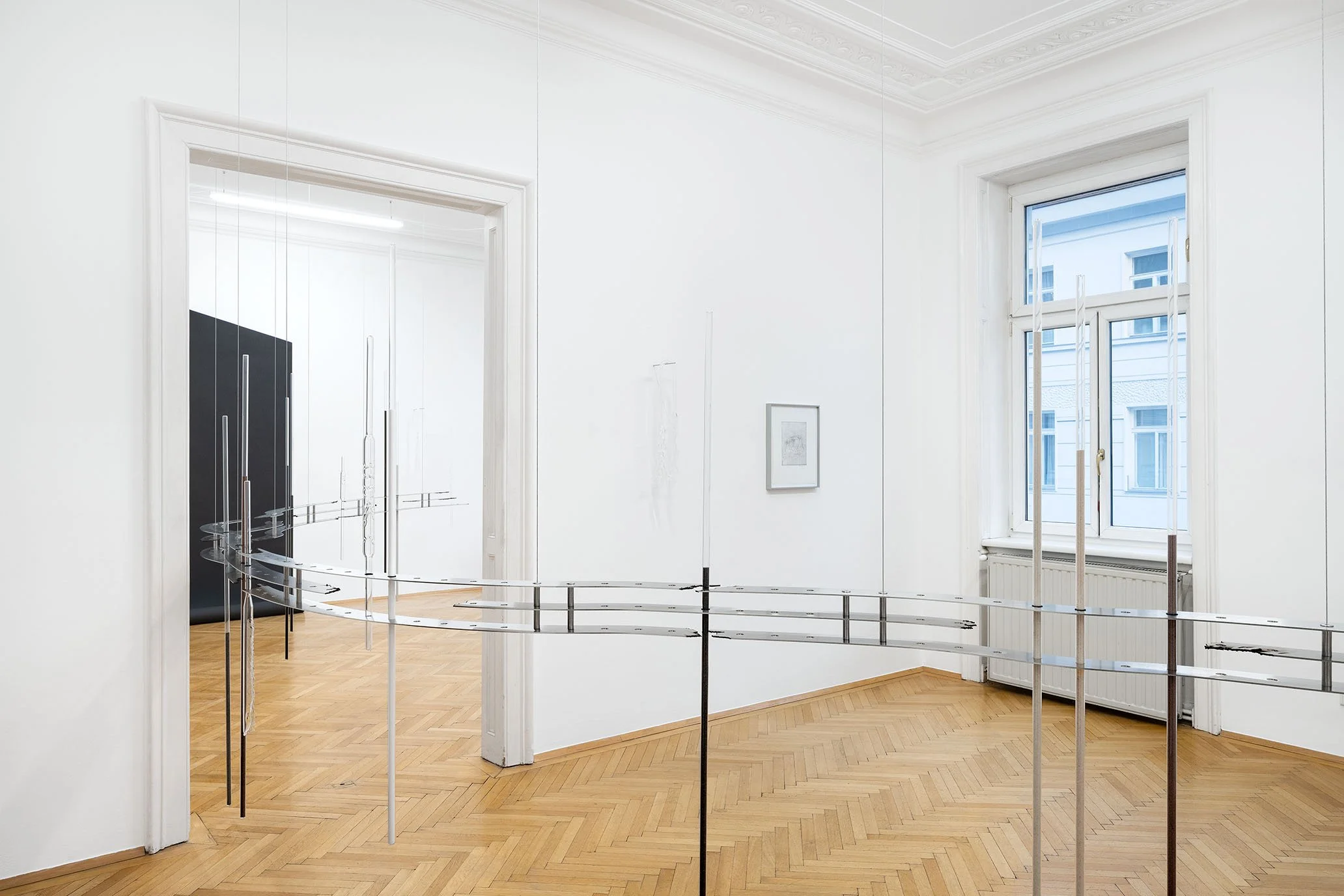
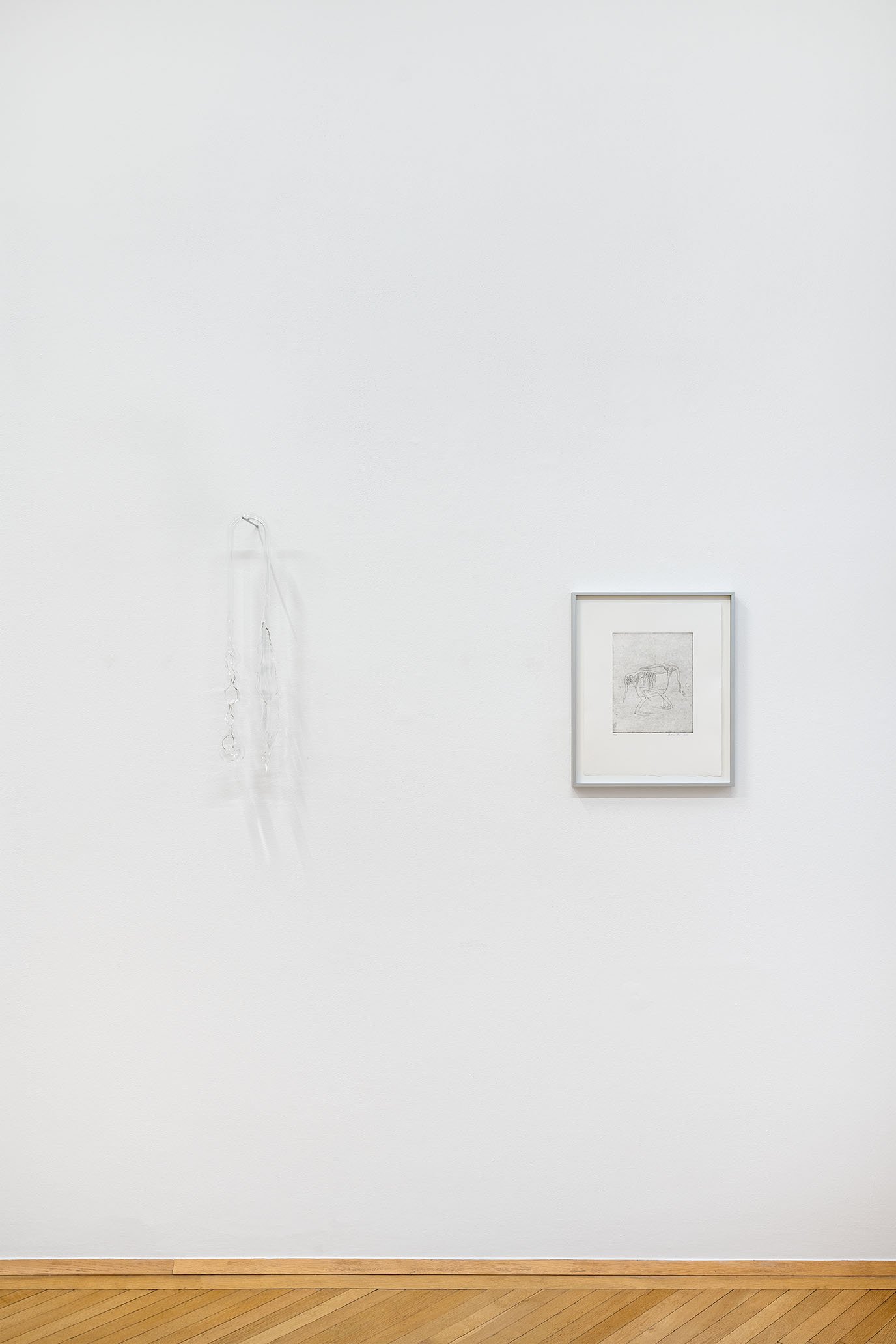
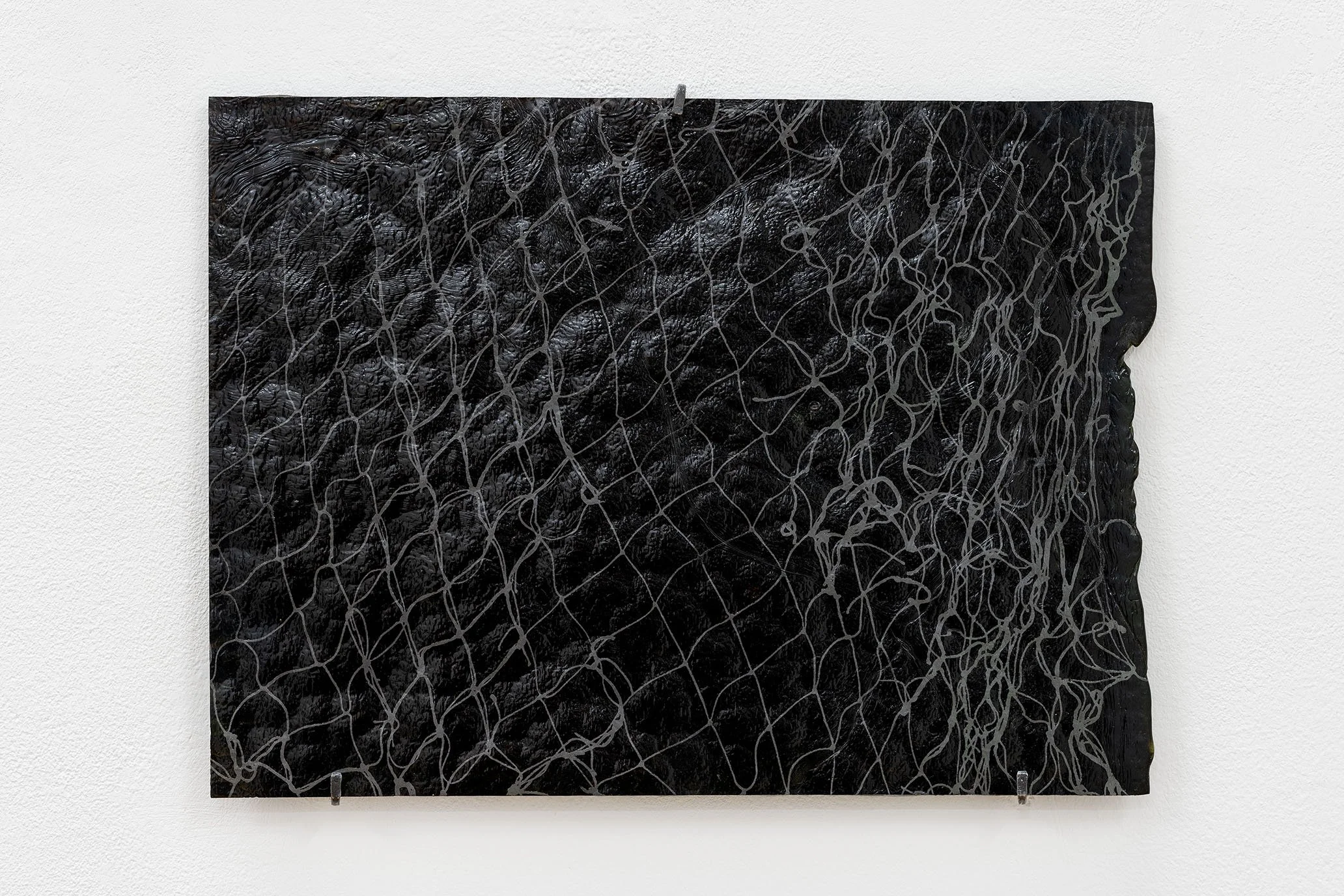
tools, wounds, structures, expectations, and other bodies
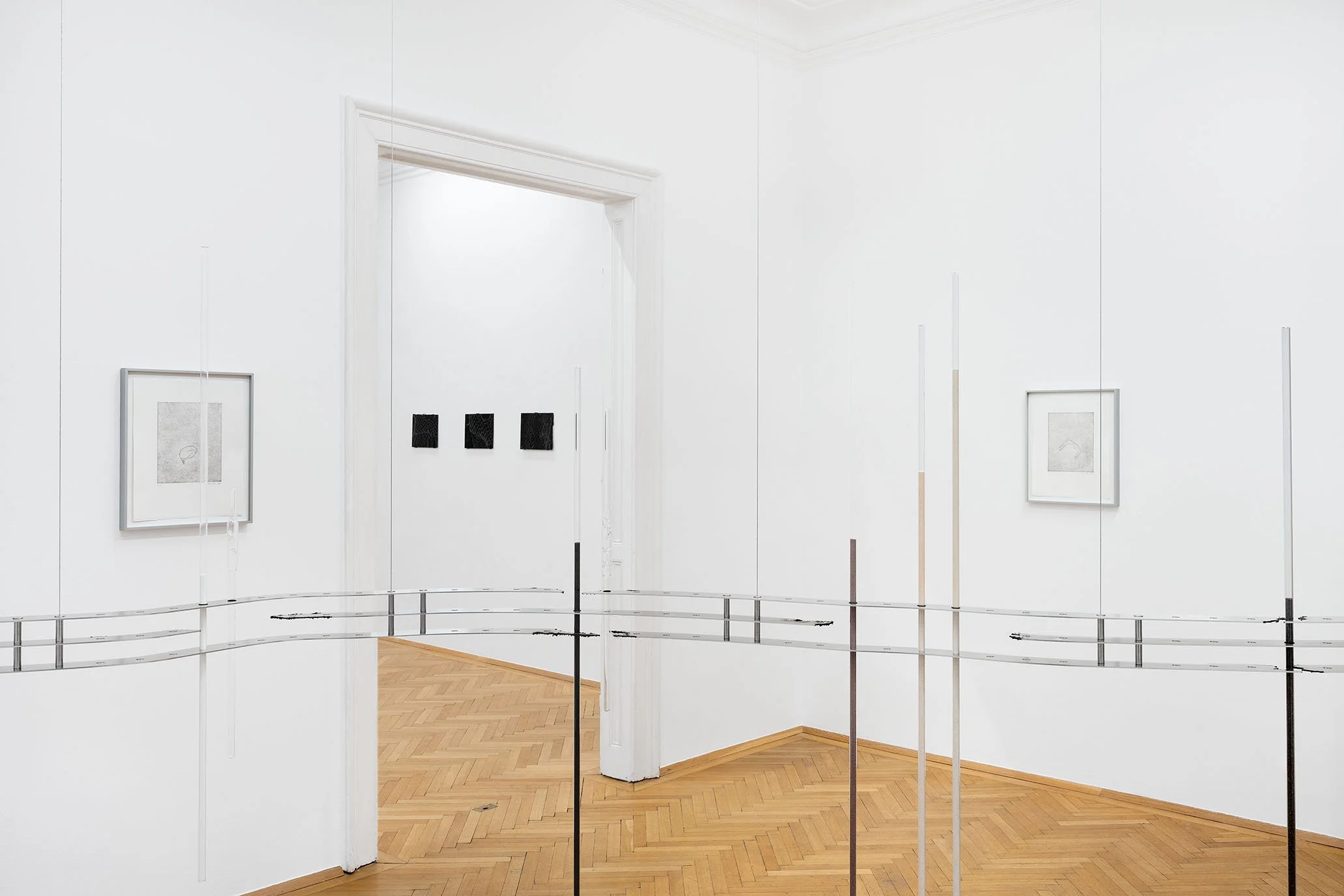
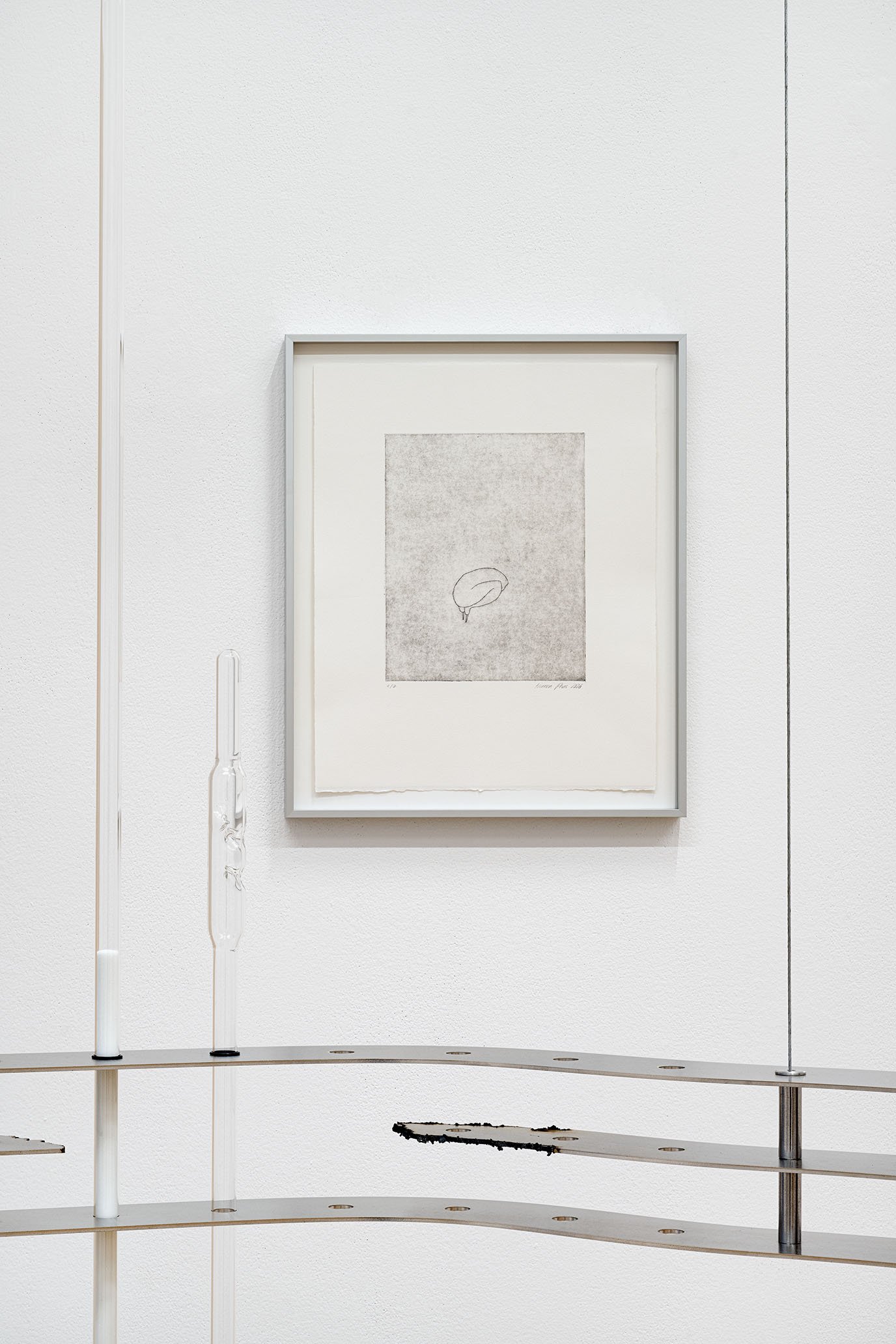
Bianca Phos’s practice can be entered most clearly through dance, not because the work illustrates choreography, but because it begins where choreography most of the time begins: in a body that is forced to negotiate gravity in real time. A while ago, while observing dancers, Phos drew repeatedly and for long stretches, allowing movement to pass through her without the usual evaluative reflex that tries to name, correct, or master what it sees. The drawings that result are not studies in virtuosity so much as records of a translational event: perception becoming line, line becoming a kind of secondary musculature. They carry the sense that balance is never an ideal state but a continuous, minute-by-minute adjustment, a micro-politics of weight and counterweight that precedes language and outlives it. If her later works appear “calibrated,” it is because they inherit this somatic intelligence: they hold themselves like bodies hold themselves: never fully stable, never entirely at rest, on the edge of losing it and therefore alive to the conditions of collapse.
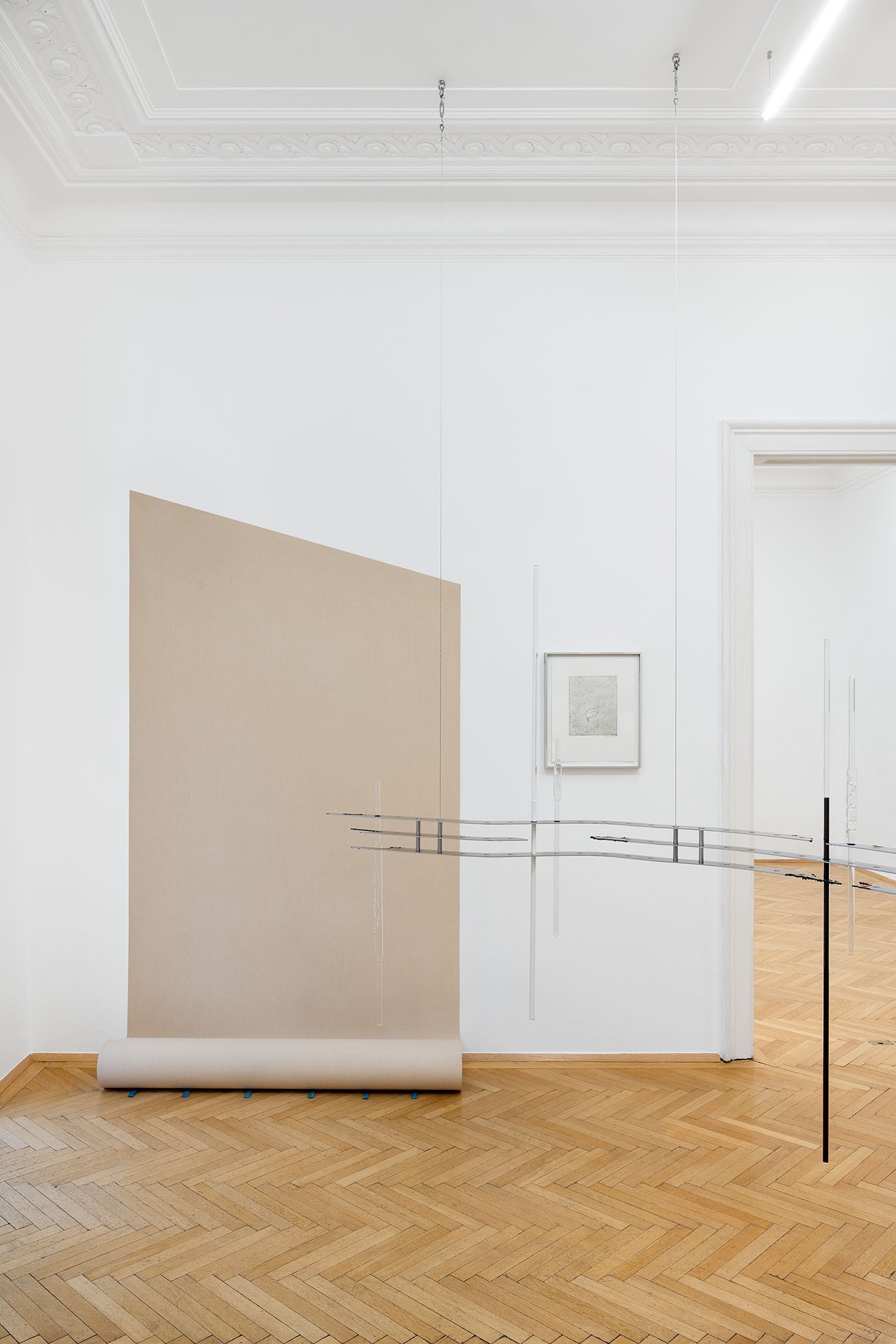
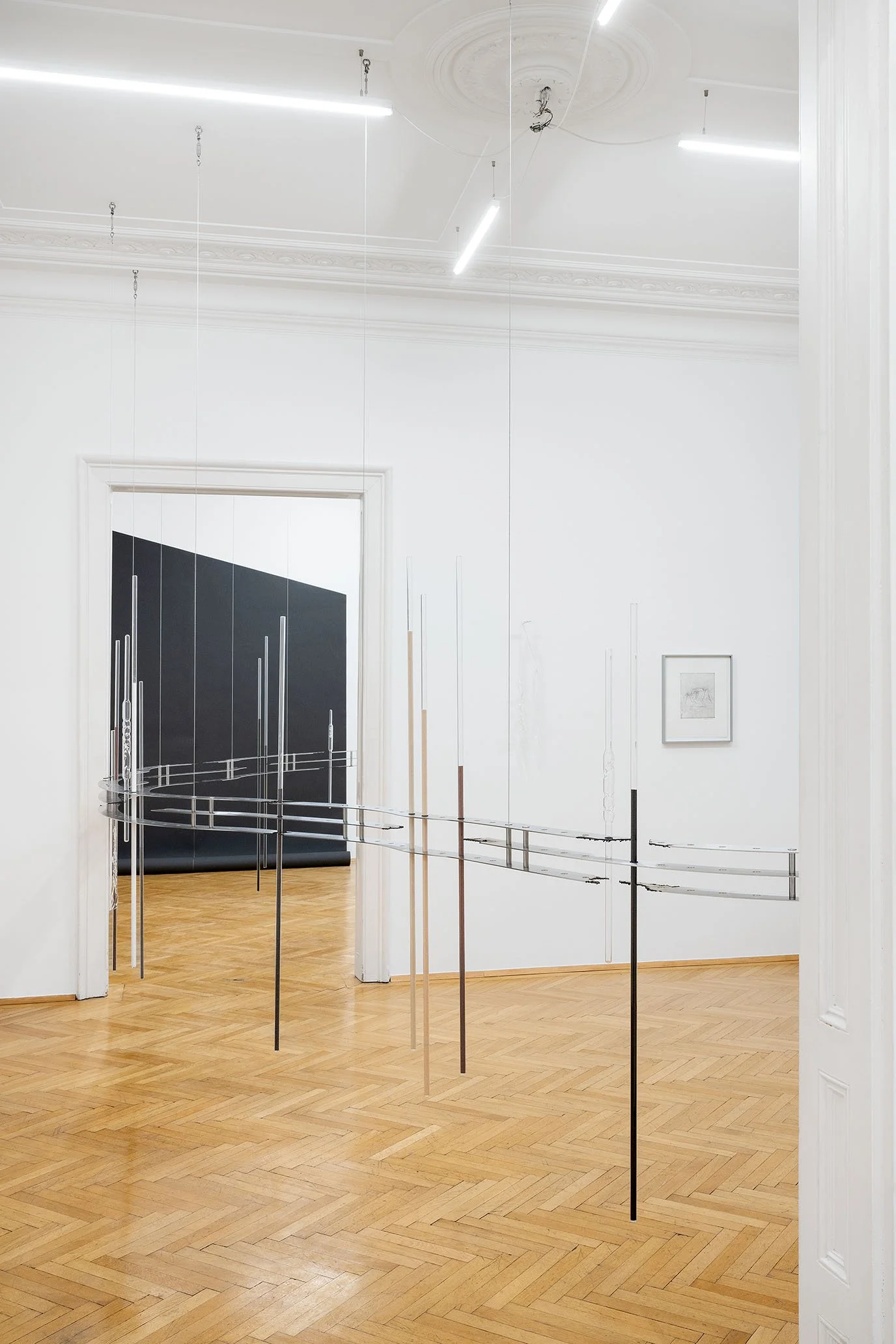
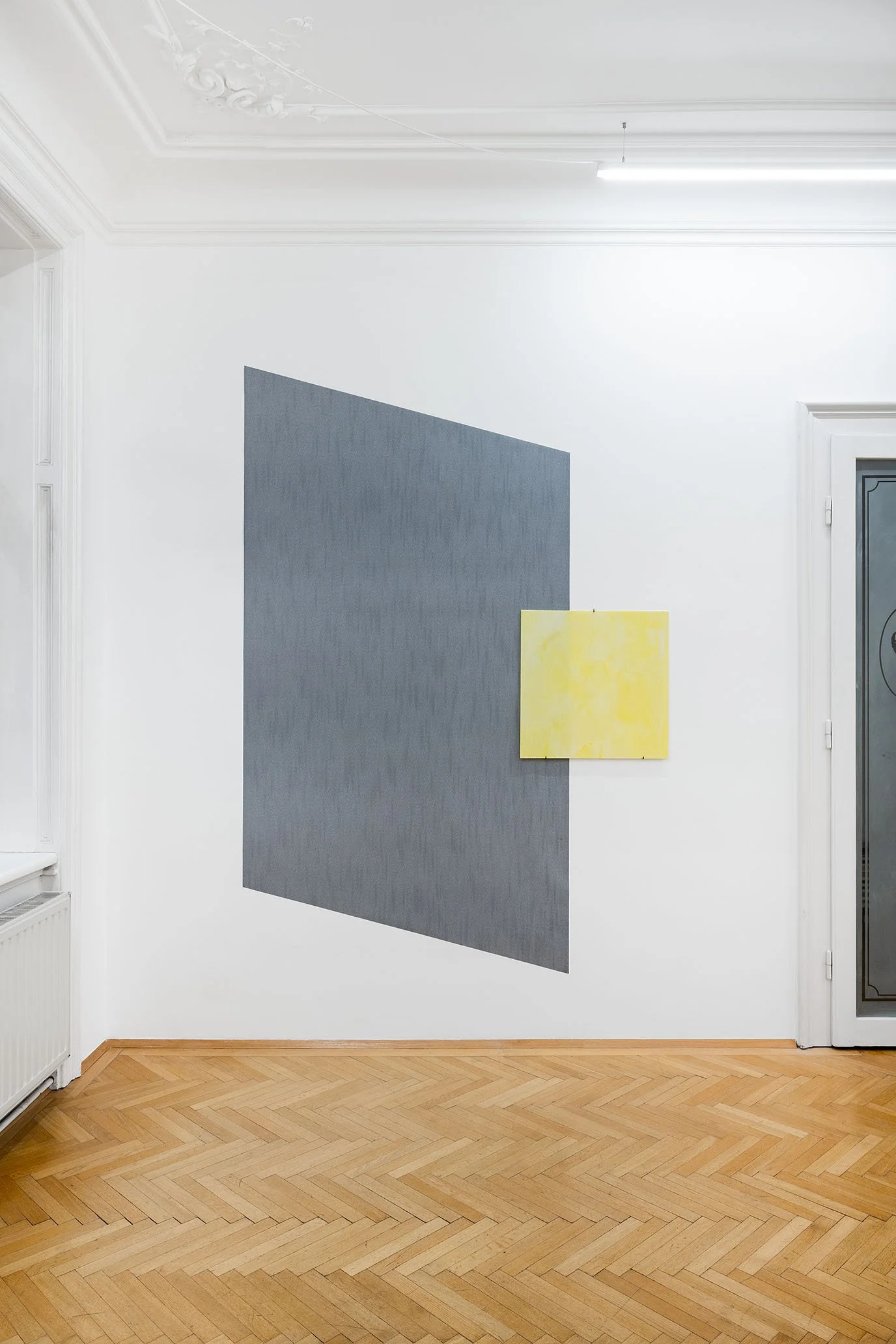
Systems of calibration enter her work as both theme and problem, or as a system of uncertainty and as a fiction we continue to rehearse. When we speak about time, we speak as if it was a neutral substance, about space as if it was simply there, about scale as if it preceded us, but each of these is the result of a historical decision that hardened into habit. Her objects borrow the grammar of instruments, but they never settle into being actual instruments. They occupy a zone where usefulness stalls and another kind of attention begins. What looks like infrastructure becomes a question about infrastructure; what resembles a measuring device becomes a meditation on the desire to measure. Rather than offering metrics, the works stage the uneasy awareness that every unit, every scale, every standard is a choice, and that choices, once naturalized, start to masquerade as truth.
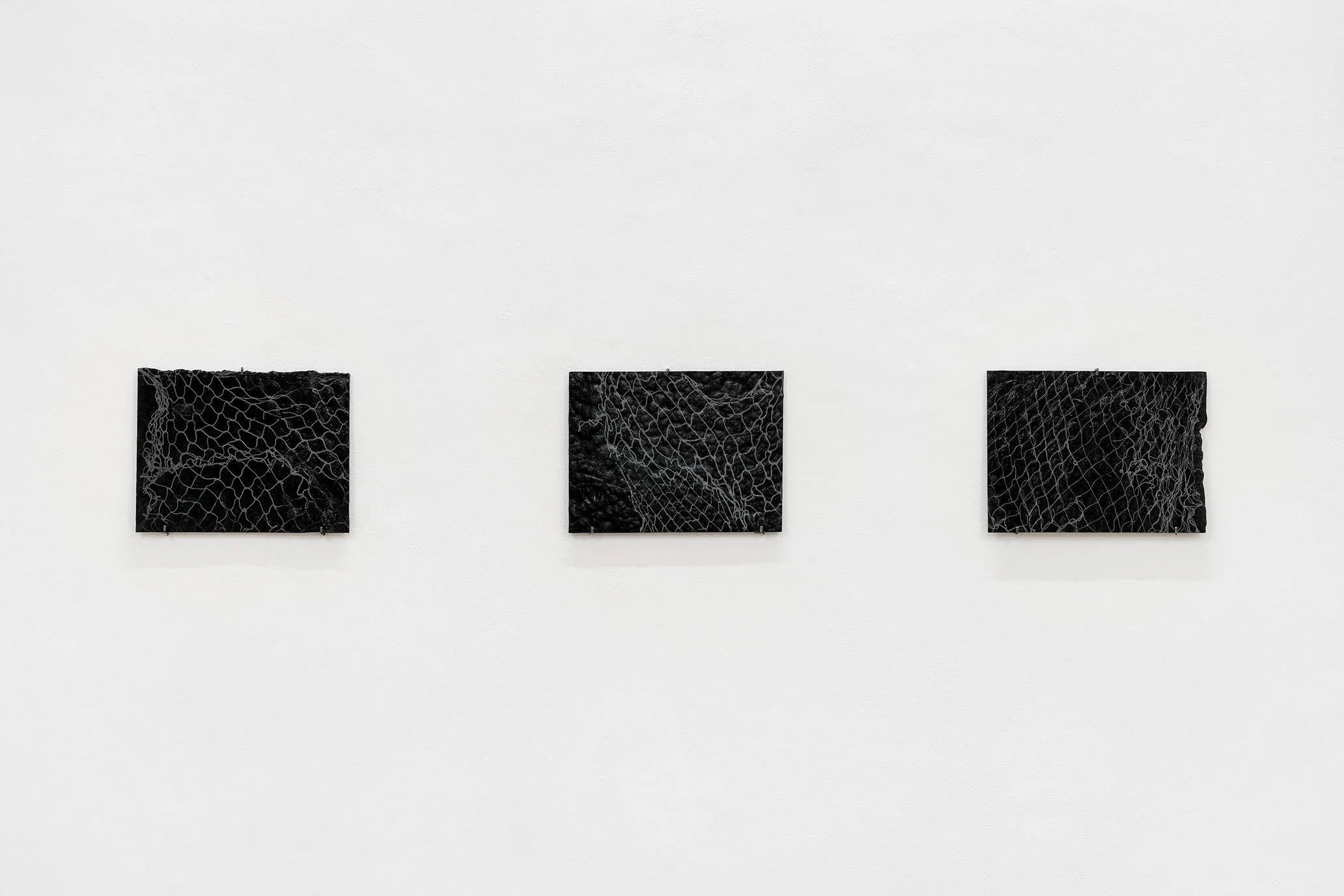
The wound does not enter this exhibition as an image that could be pointed to or located with precision; it enters as a way of sensing. Phos does not treat the wound as an event but as a condition that spreads across materials, structures, and relations. Systems are built, but they are never sealed; surfaces remain porous, edges remain permeable, and borders behave less like walls than like membranes. The wound is said to be everywhere because it cannot be confined to a single site. It names the moment when something interrupts the smoothness of functioning and the body becomes undeniable to itself. The sense that something could tilt, or slip, does not dramatize danger so much as it reattunes perception. It draws attention away from detached looking and toward a form of knowing that unfolds through the body, where understanding is not counted or measured but felt, gradually, as disturbance.
If post-human thought surfaces here, it does so through an insistence that the “able body” is itself a construction, a social fantasy sustained by speed, expectation, and the demand to perform. Functionality is not presented as smooth, stable, or guaranteed, but as something provisional, uneven, and continually negotiated. Against the promise of seamless enhancement, prosthesis appears as an unstable form: sometimes a support, sometimes an obstruction, sometimes a figure of aspiration, sometimes a marker of vulnerability. It is an ethical question about dependence.
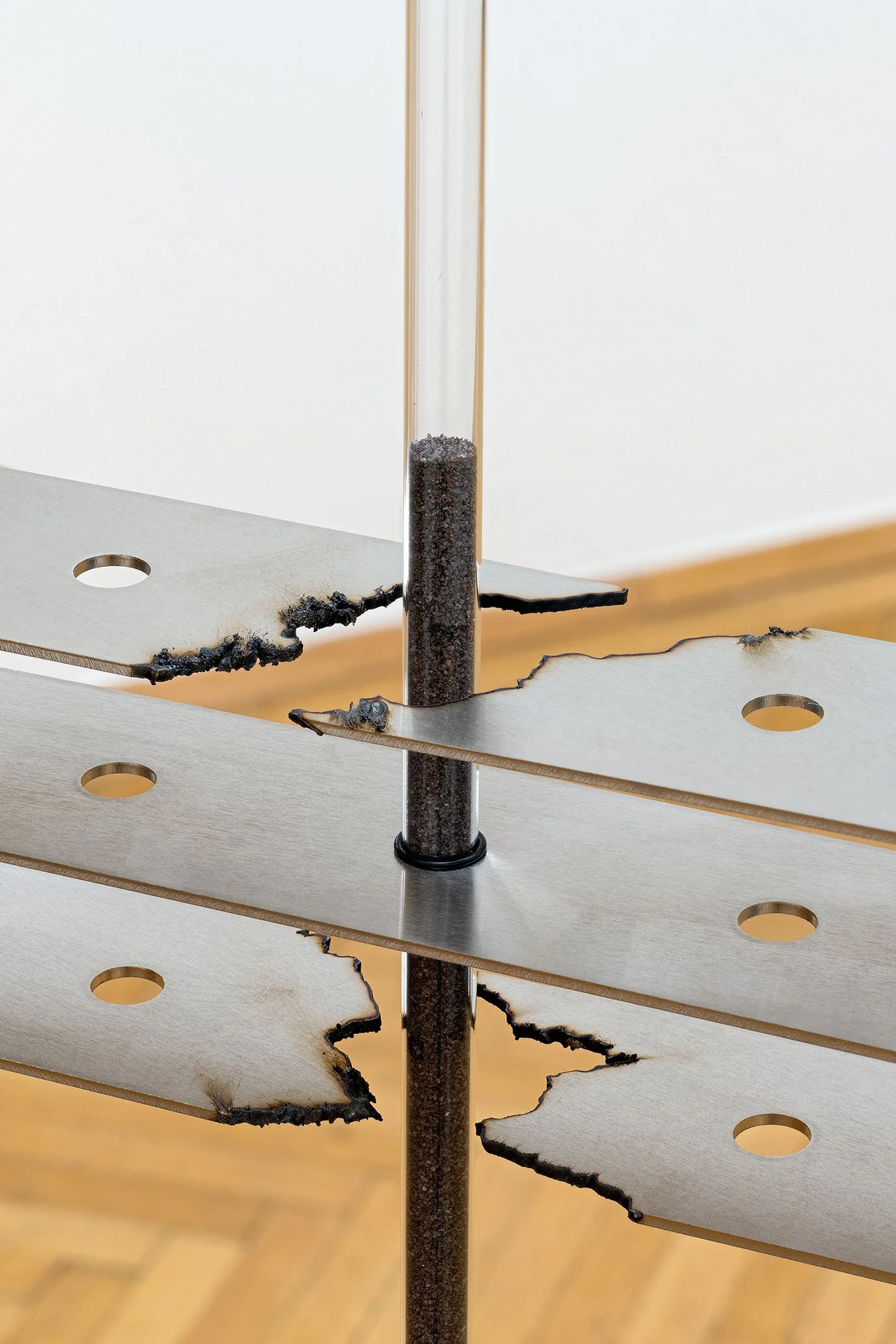
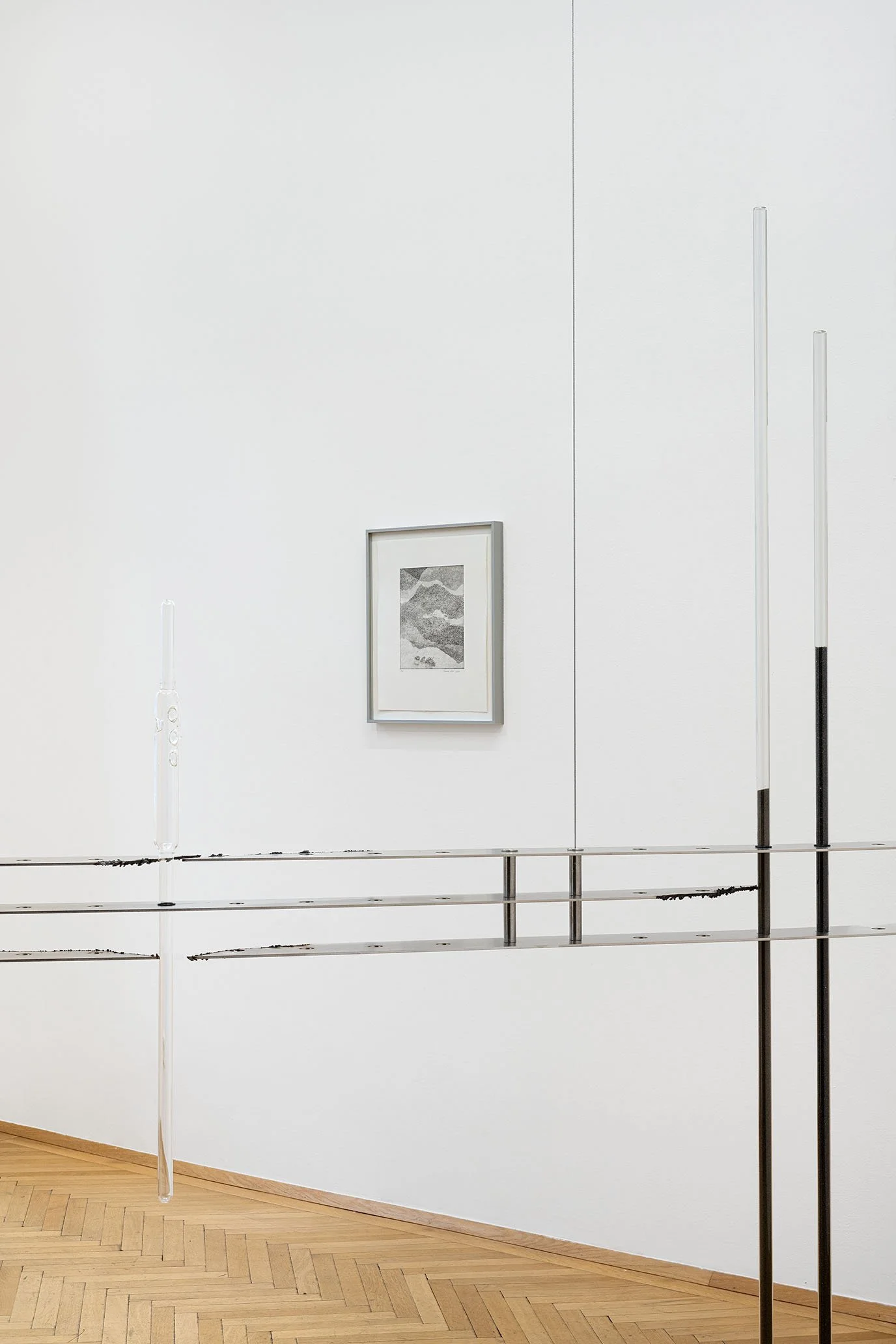
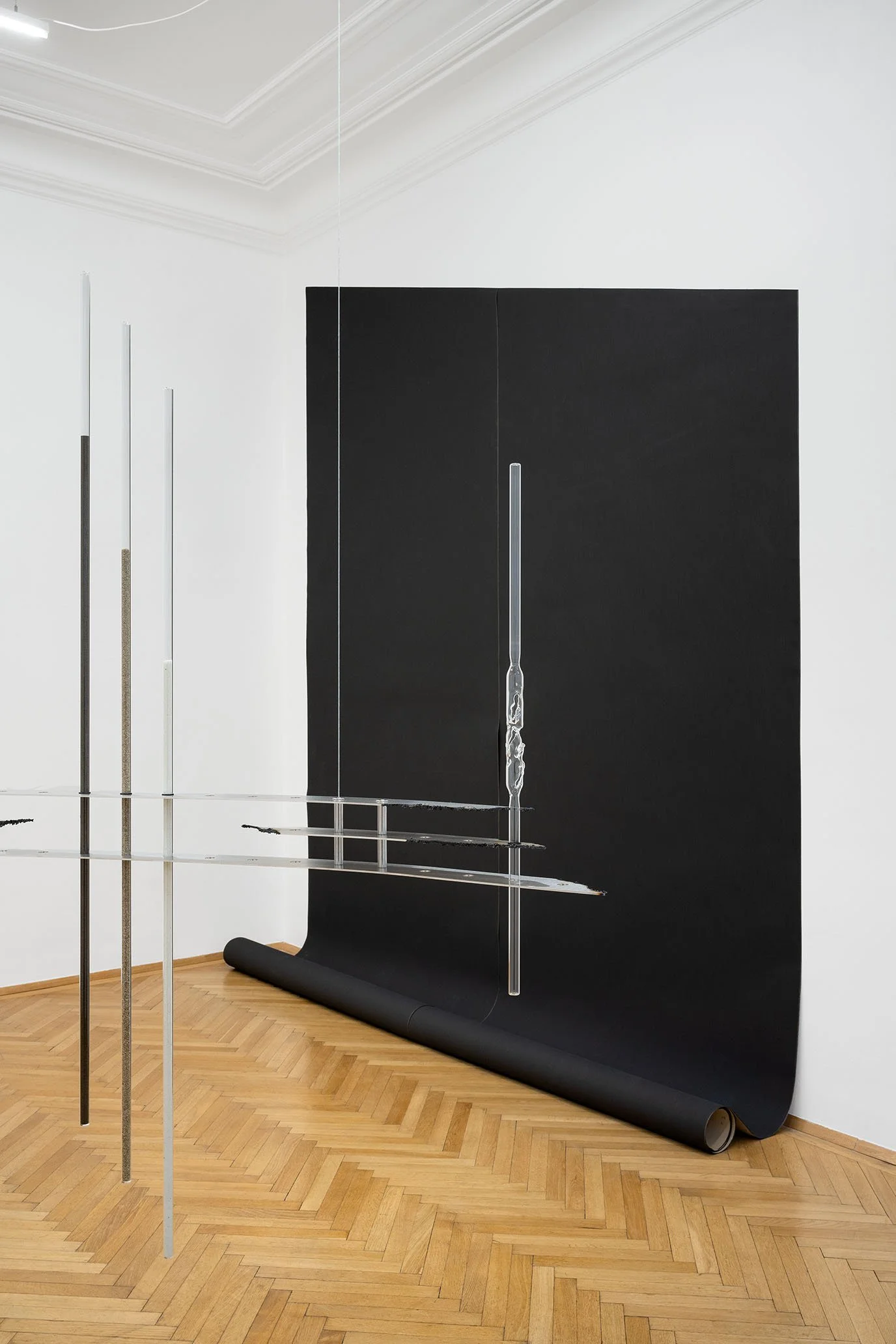
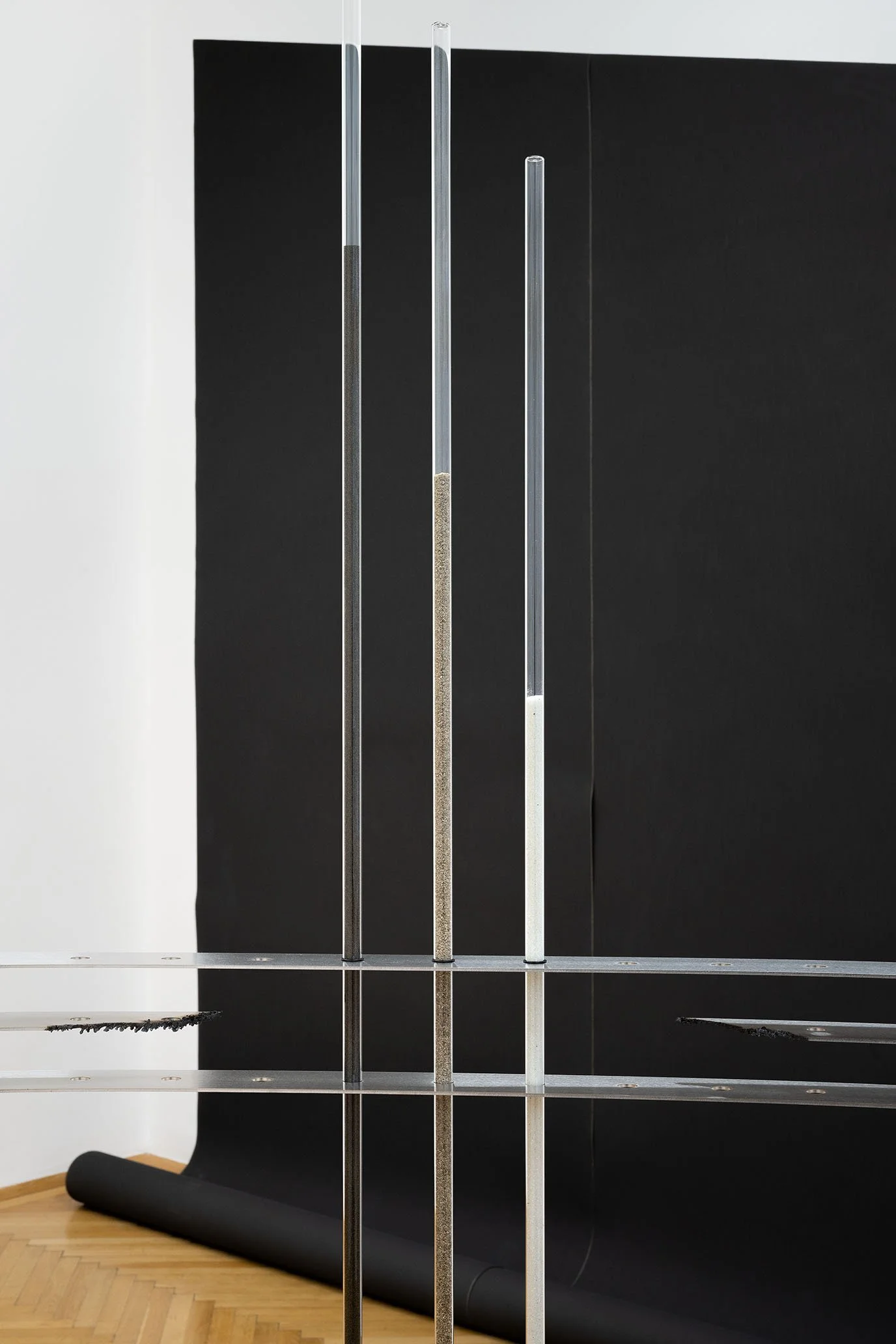
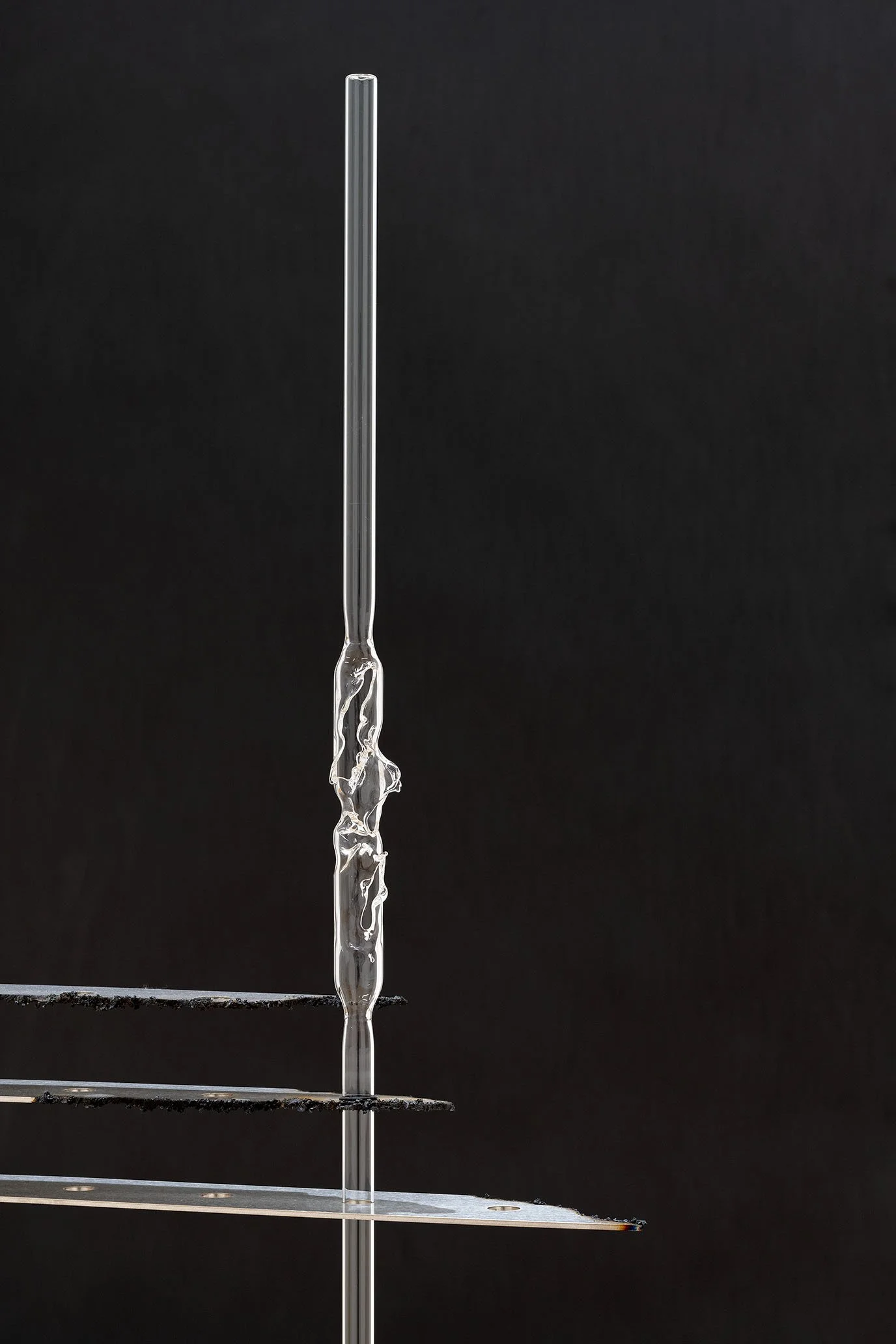
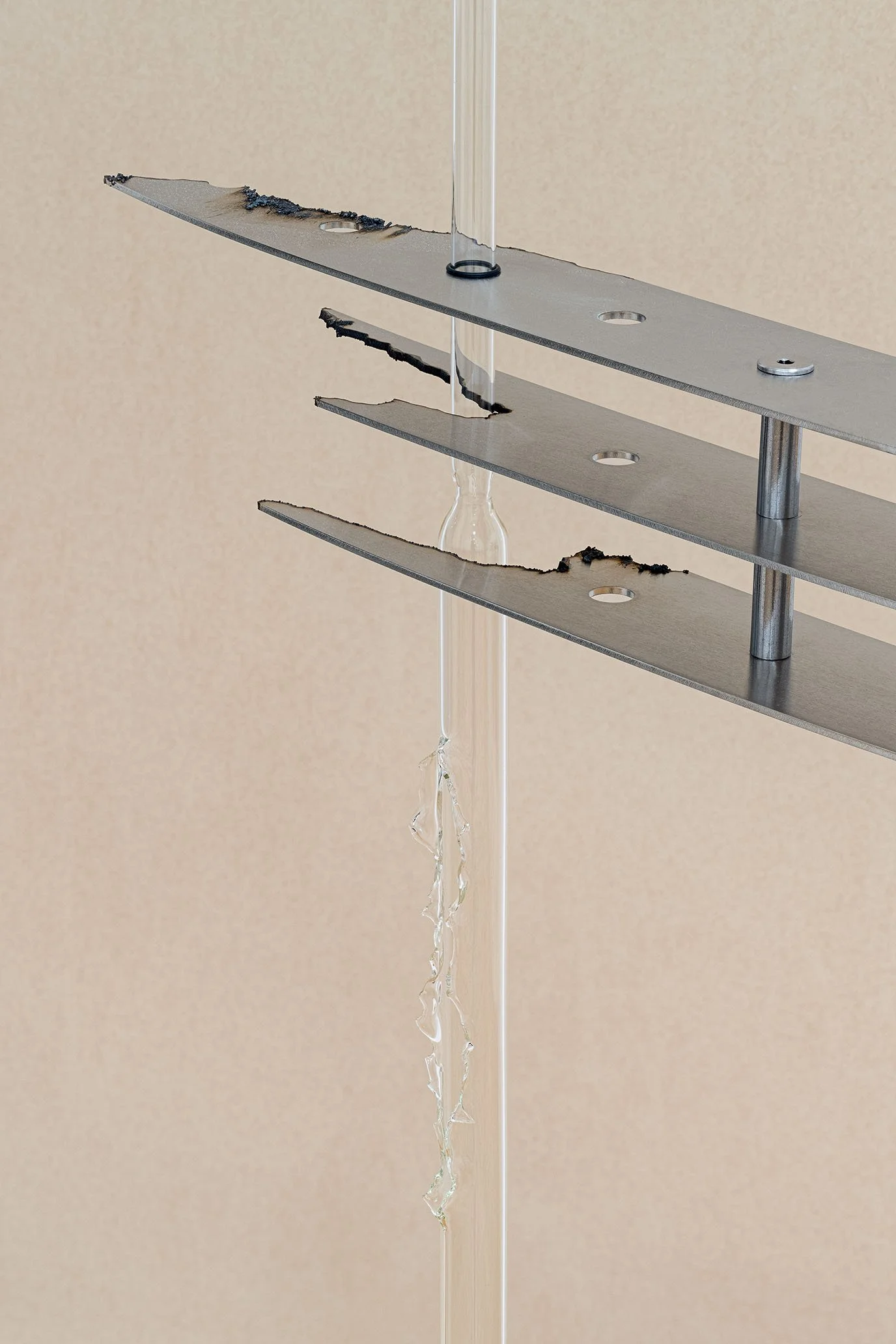
Phos’s recent interest in sand and glass shifts the question onto the level of matter itself, as if the work was asking what our instruments are composed of before asking what they are meant to accomplish. Silicates drawn from different geographies and industrial processes are stored inside glass tubes, appearing like samples, and refusing the stability usually associated with data. They can be unsettled, displaced, set in motion again. What they register is not time as a neutral unit, but time as layering, as residue and a slow accumulation. Sandblasting, the process through which metal surfaces are stripped and treated, echoes this logic. It is a removal that becomes a form of shaping, an abrasion that produces visibility. Because glass is itself made from sand, each vessel folds the material back onto its own origin, creating a closed circuit that never fully closes. Sand becomes building material, industrial resource, technological substrate, and mnemonic trace at once. In this sense, the work does not describe a stable relation between human and material, but an unstable, unfixed one, where container and content, matter and memory, body and infrastructure continuously fold into one another.
Text by Mirela Baciak