BREATHE IN EMPTINESS
Li Jun
May 5 – June 20, 2026
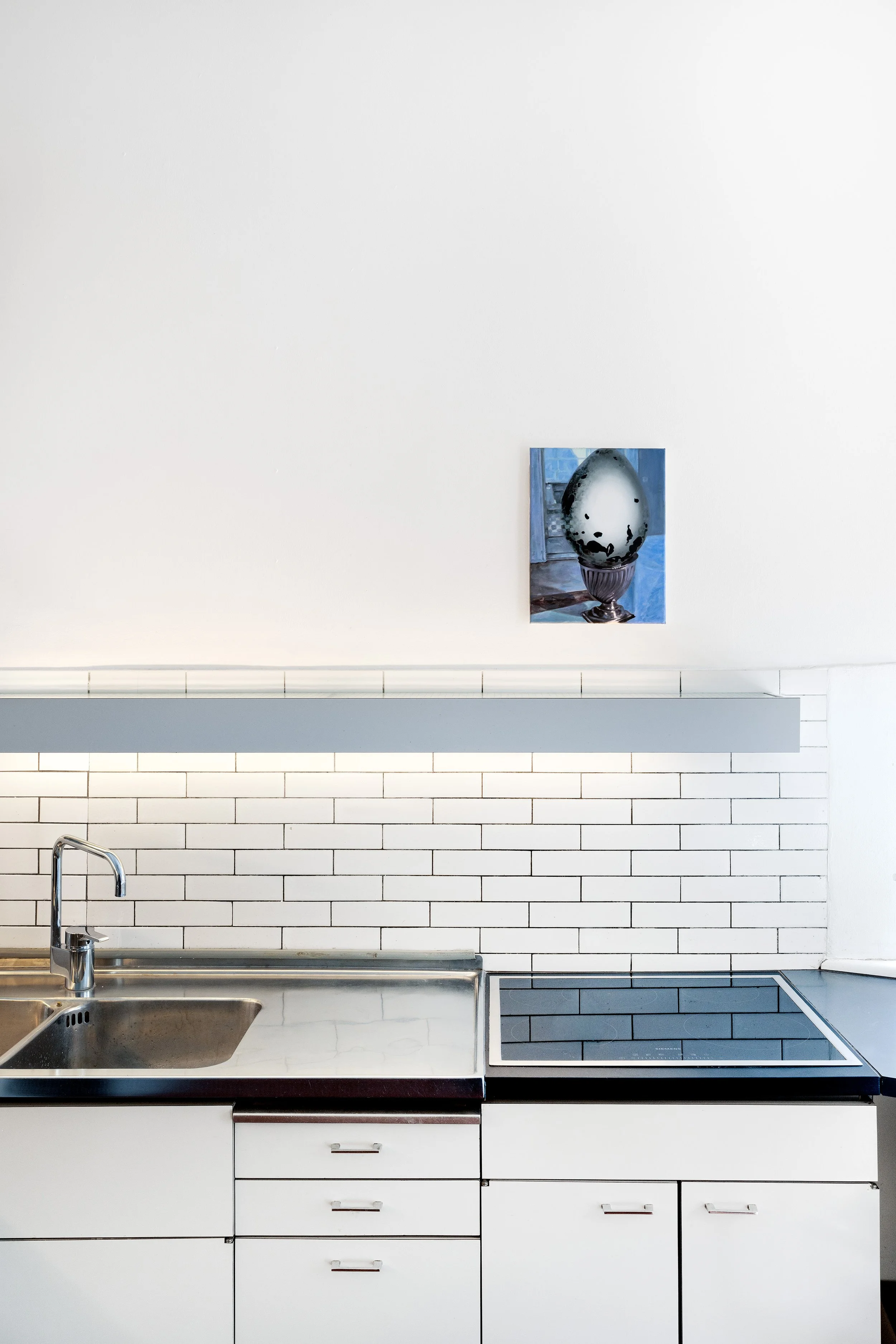
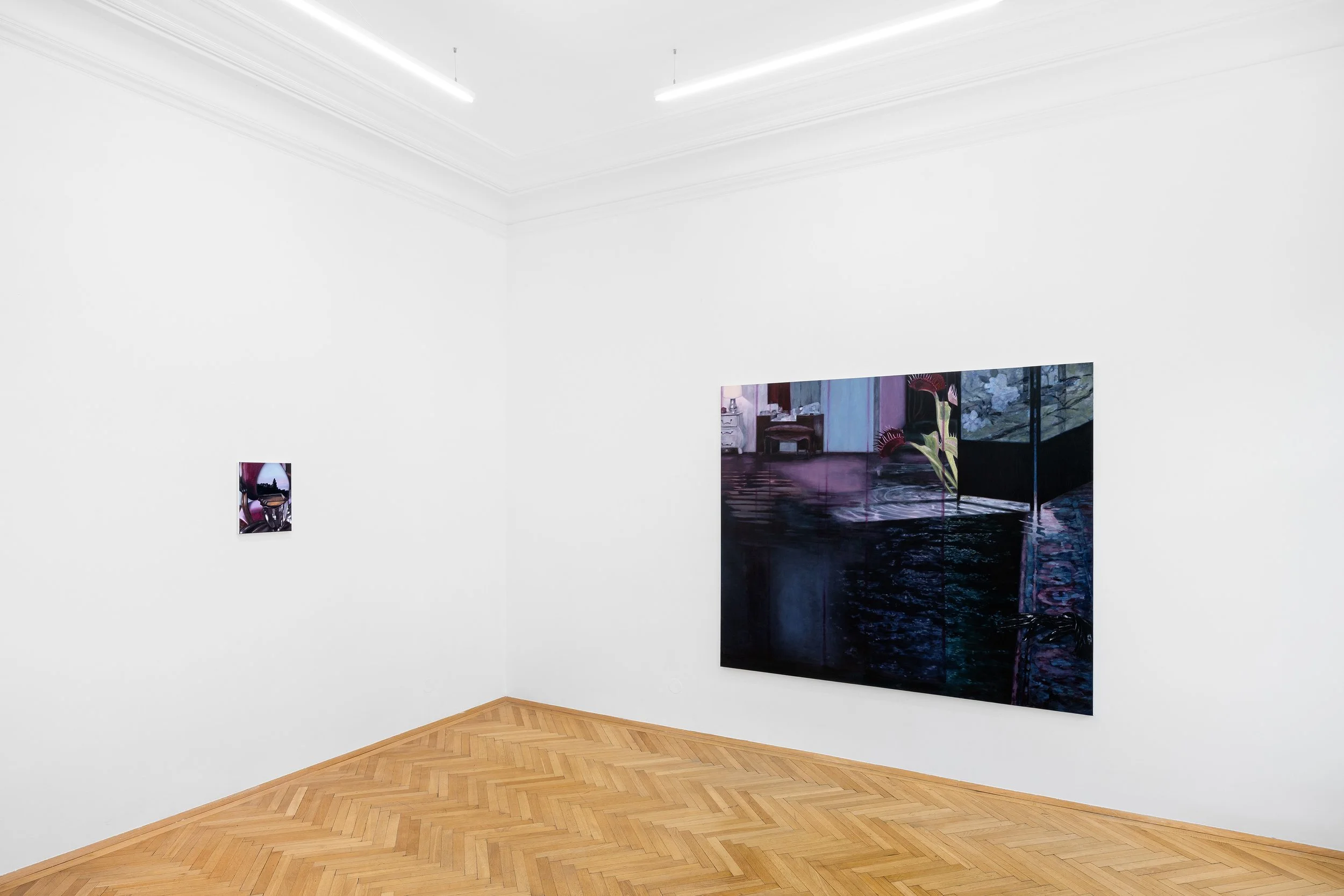
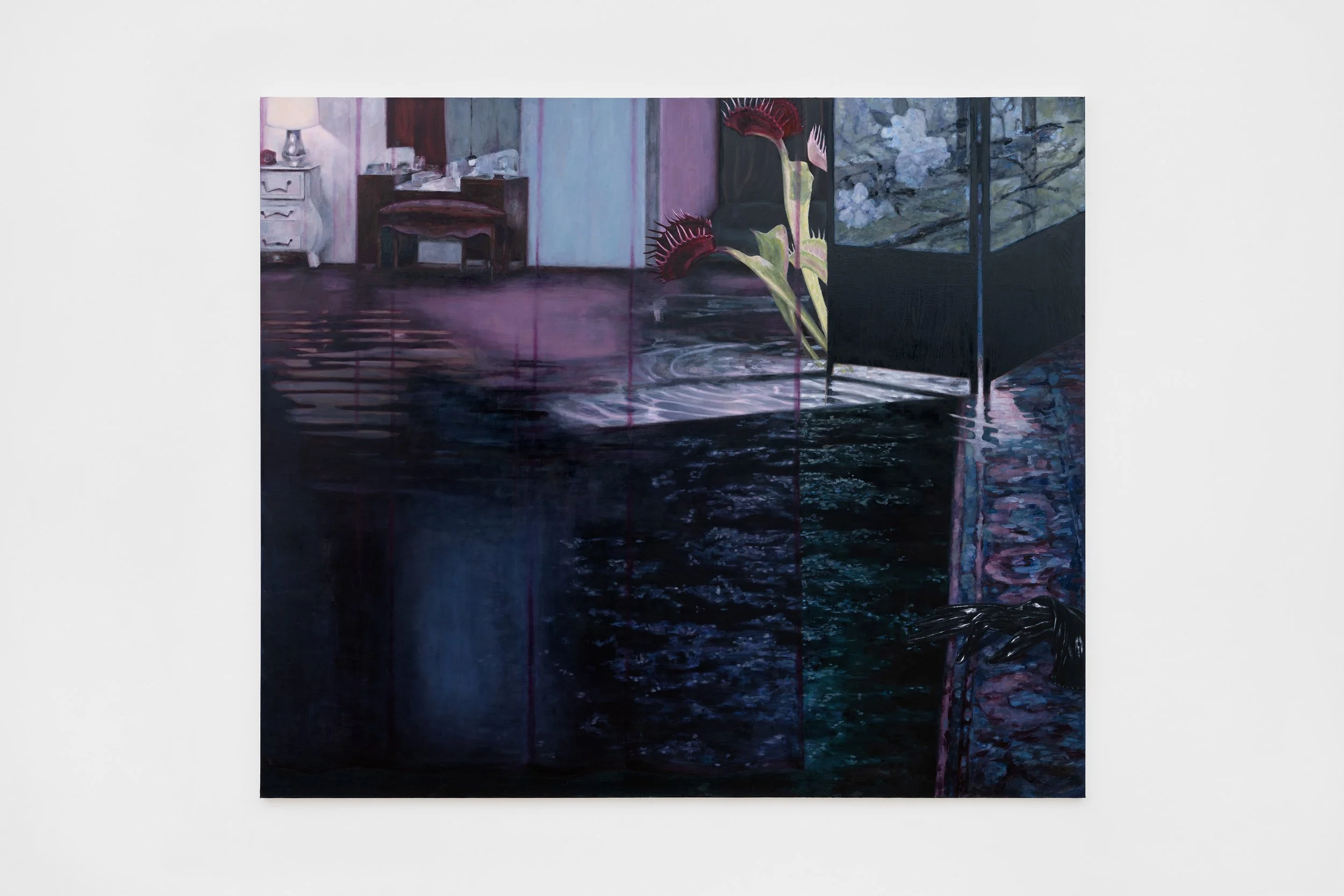
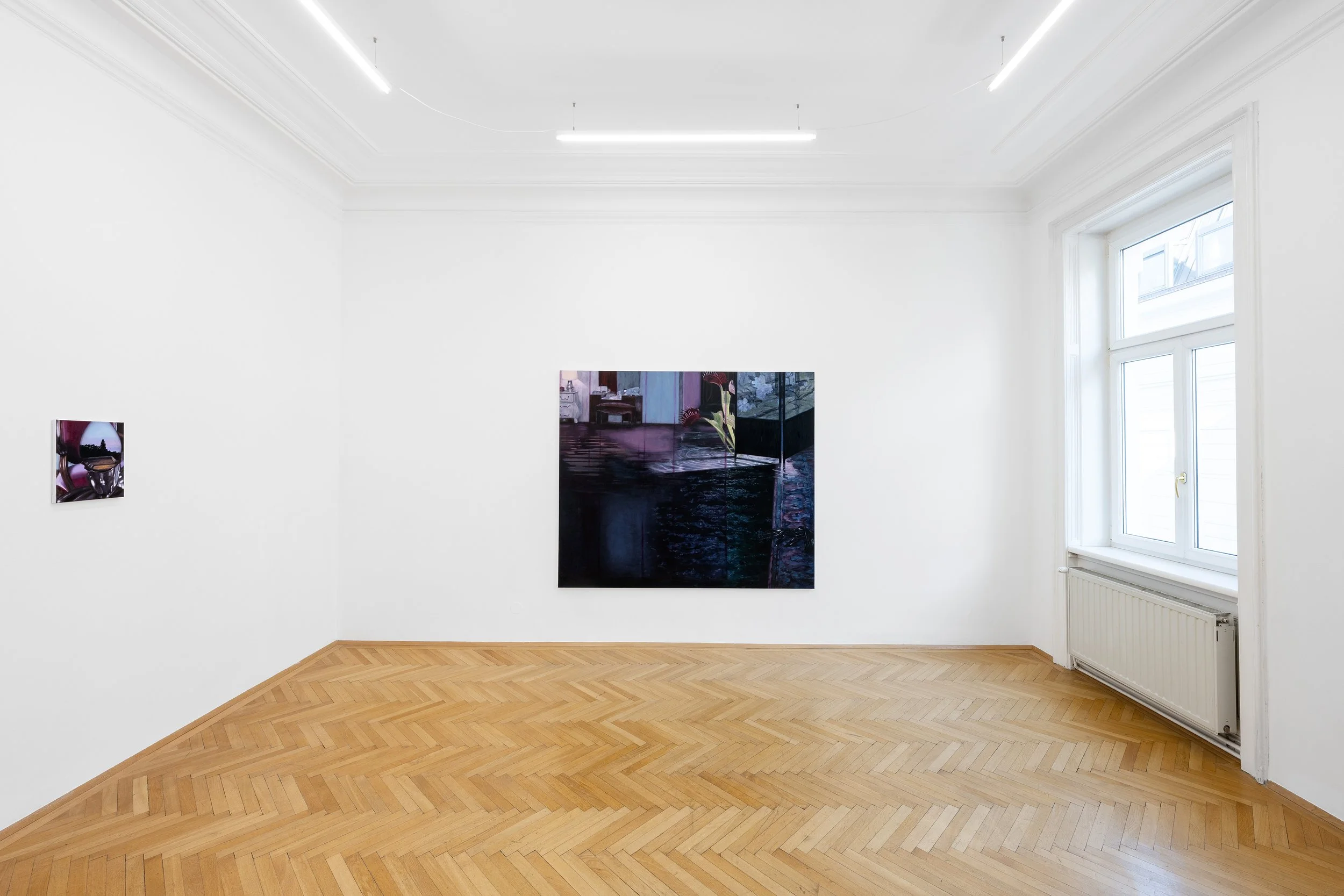
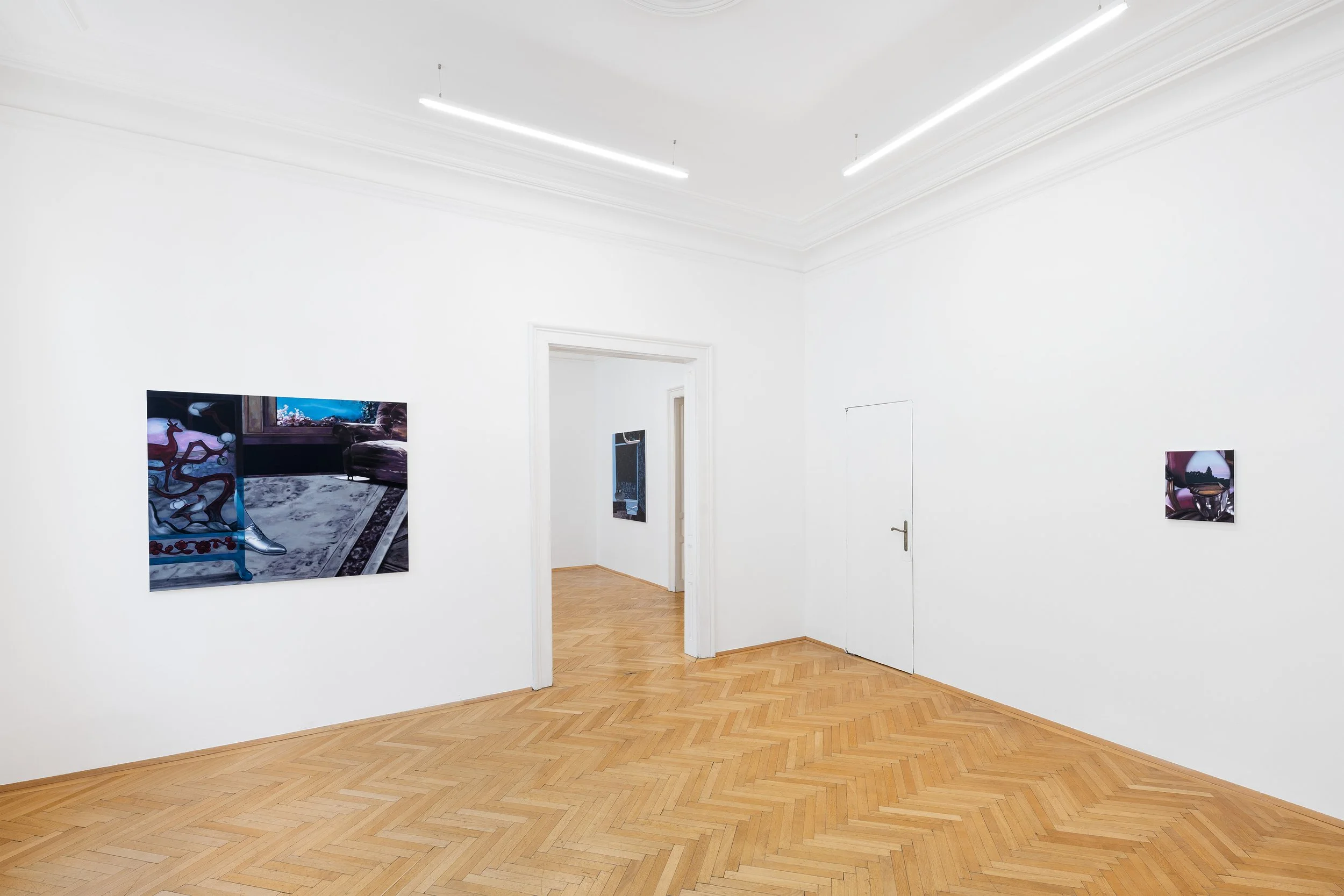
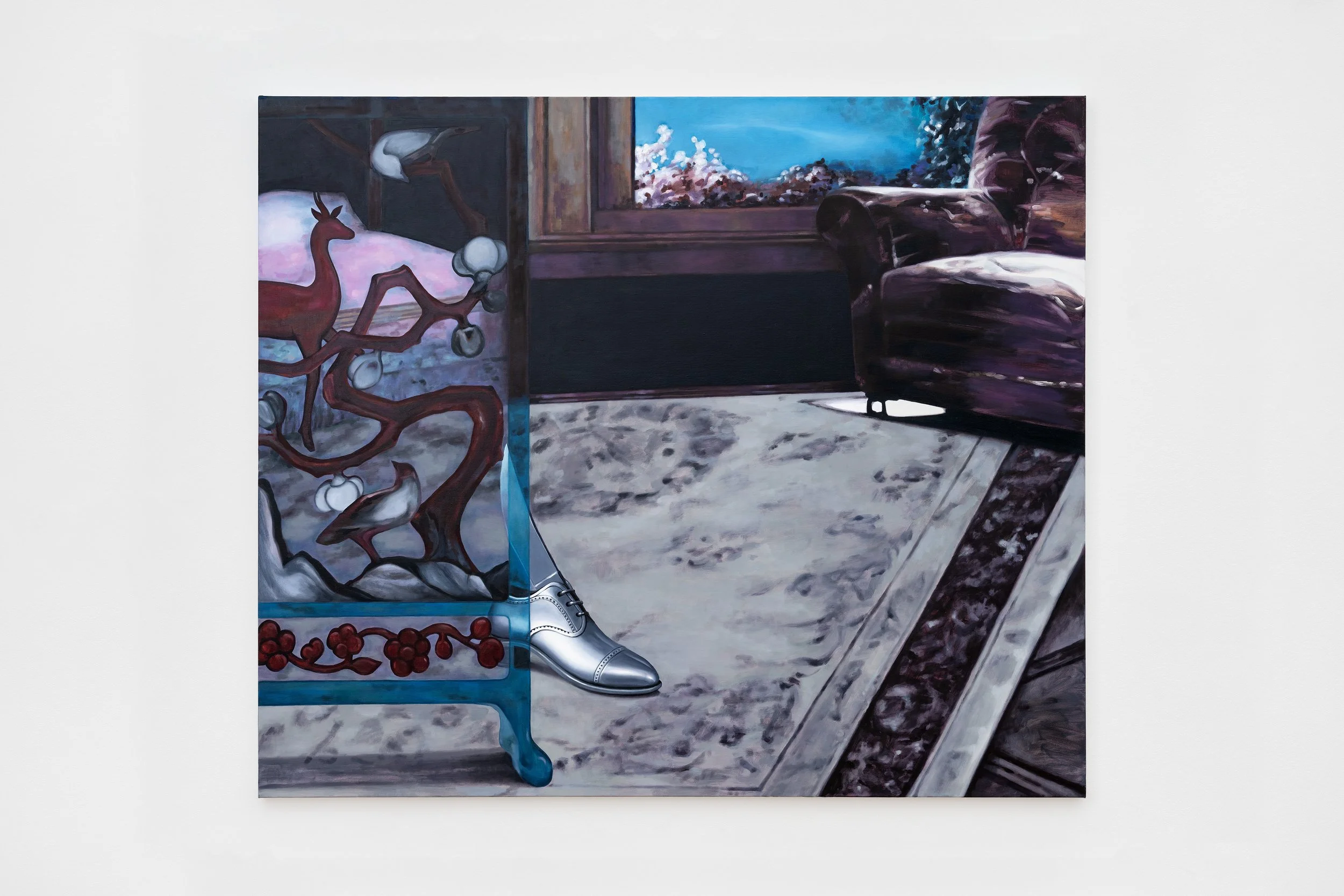
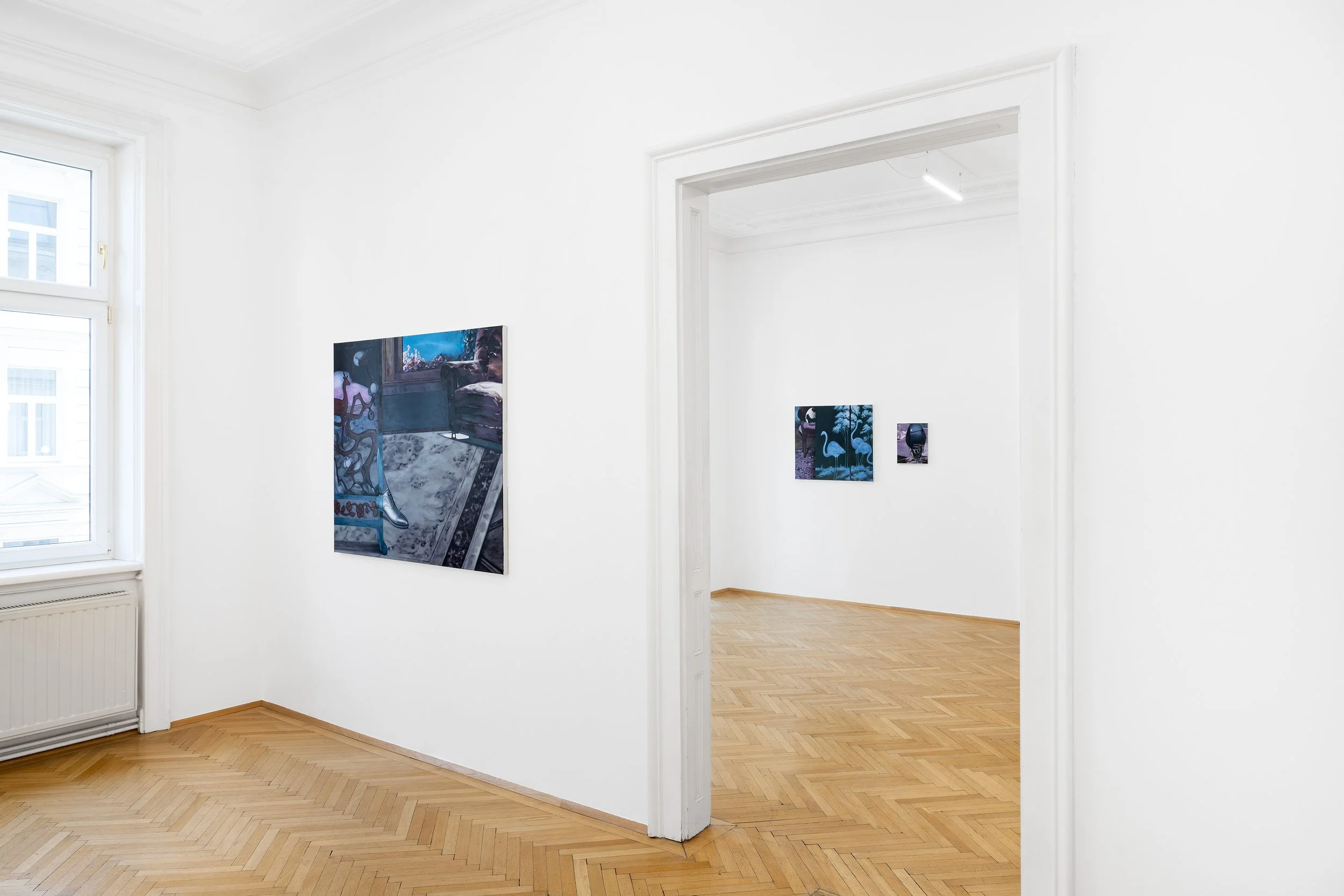
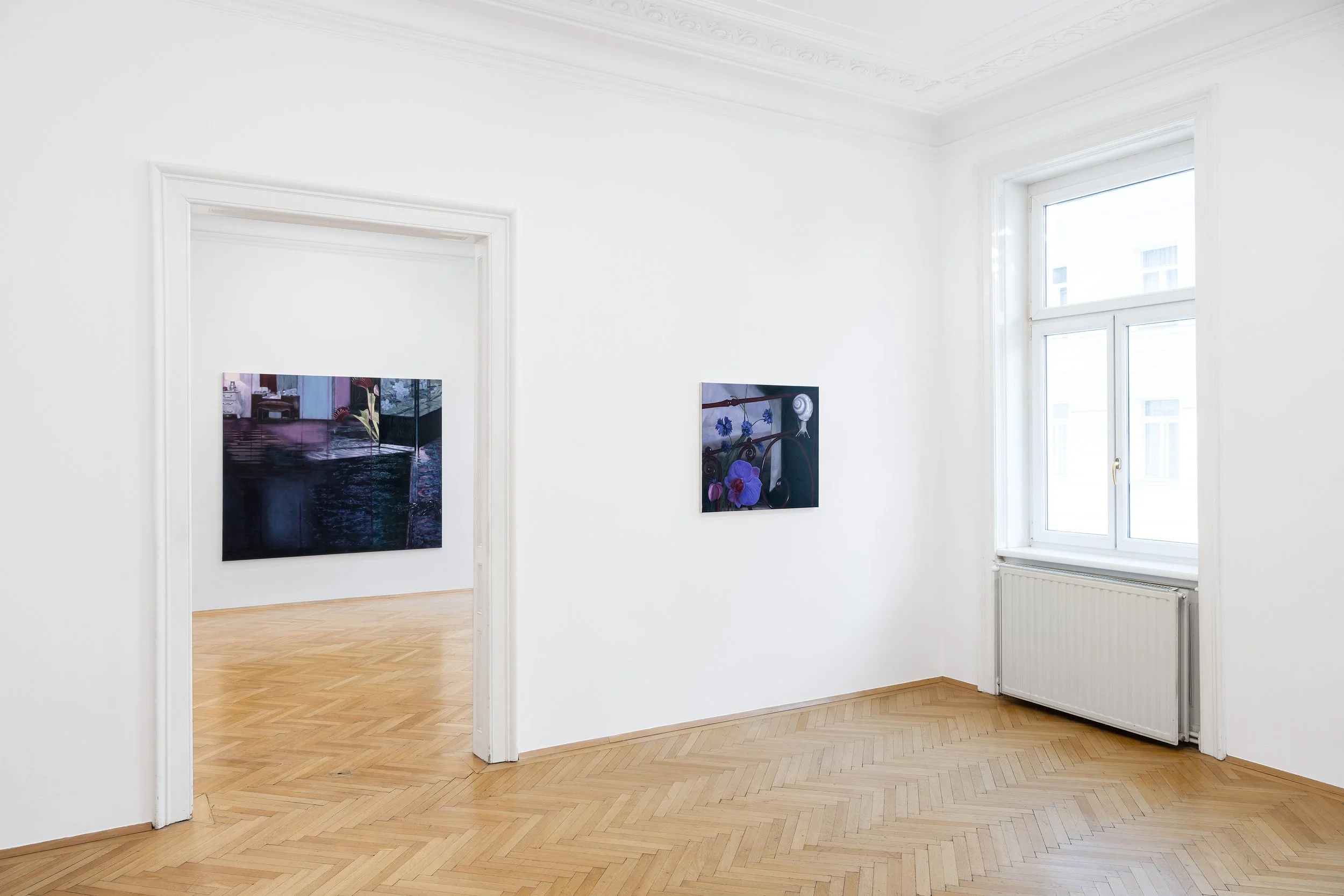
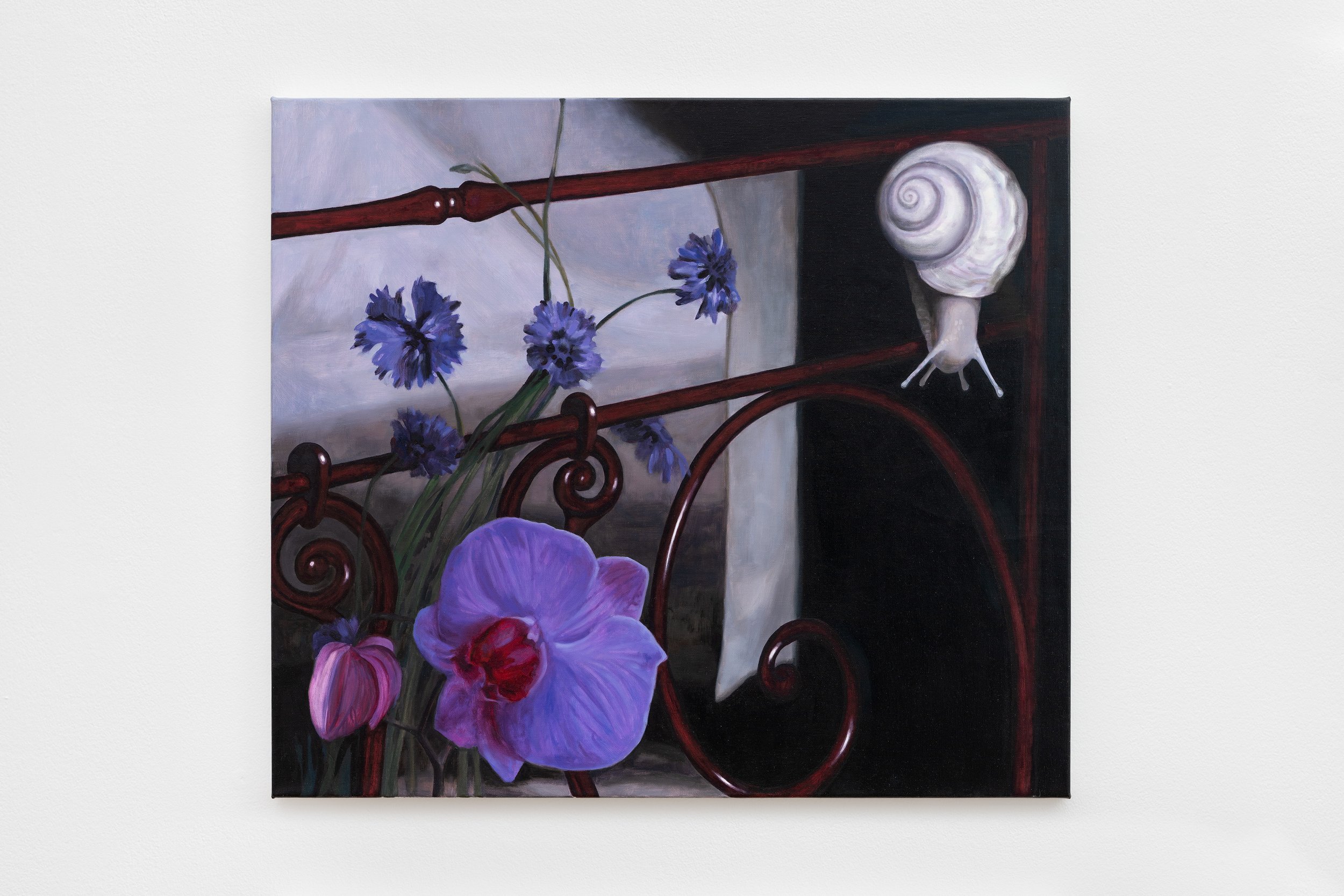
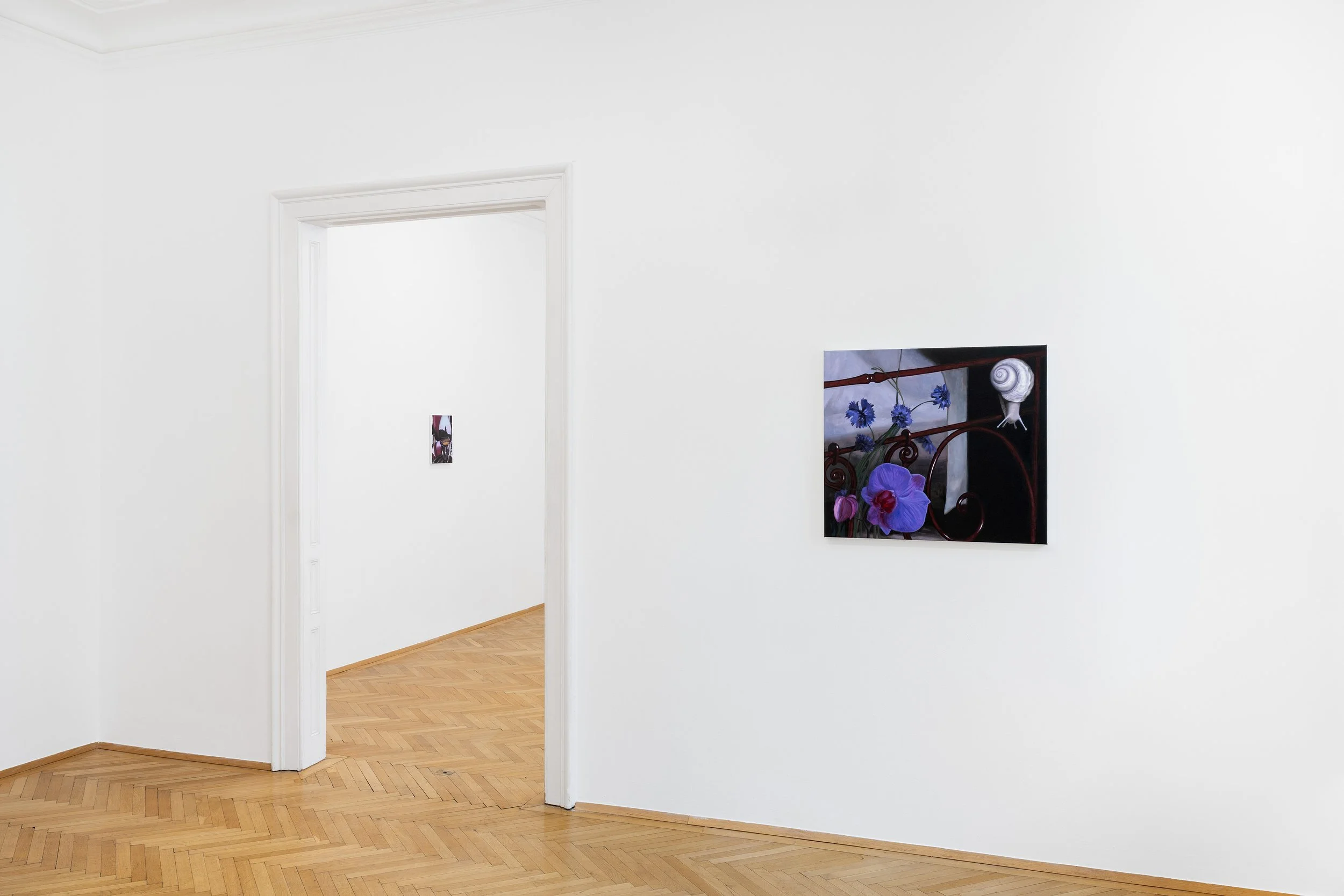
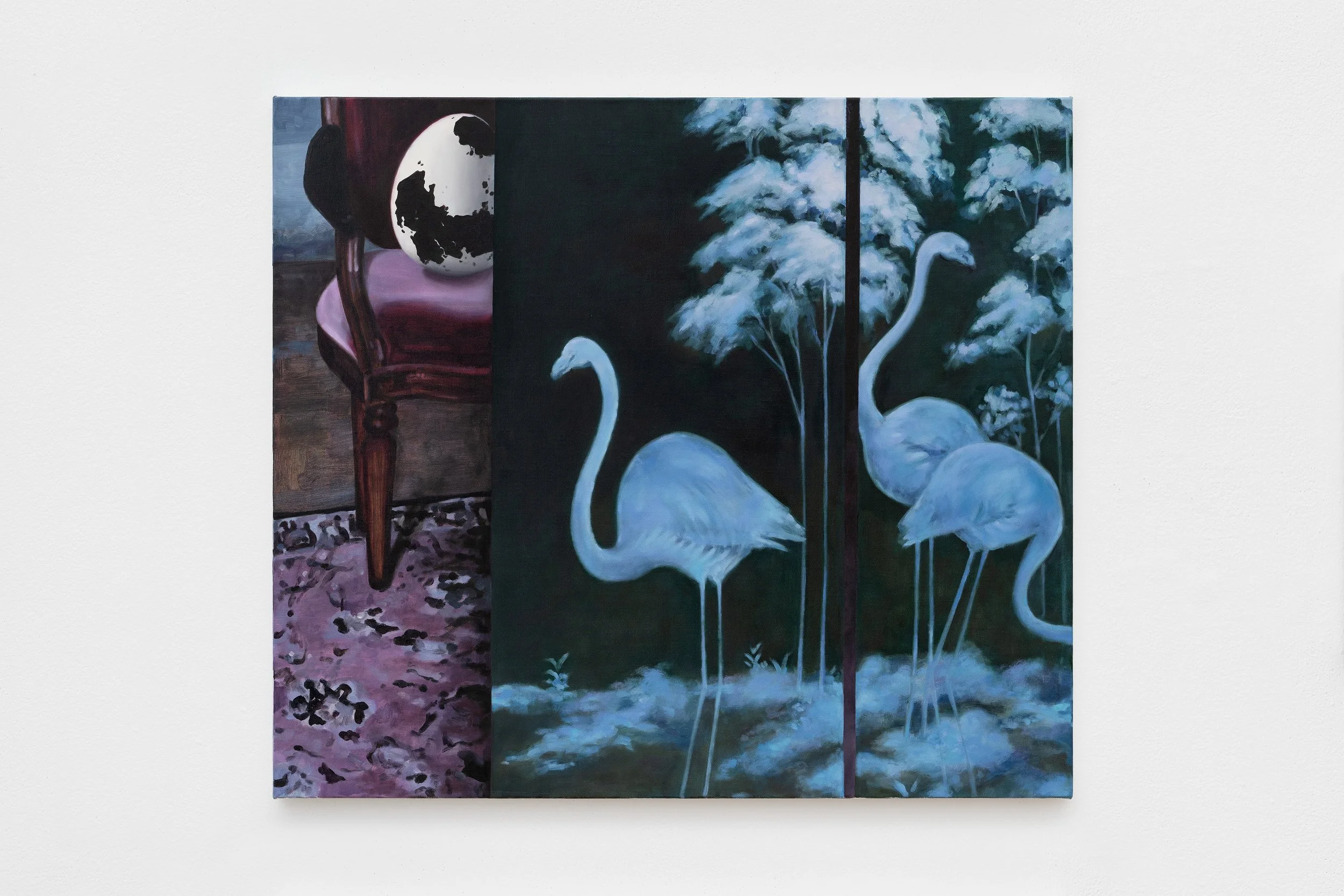
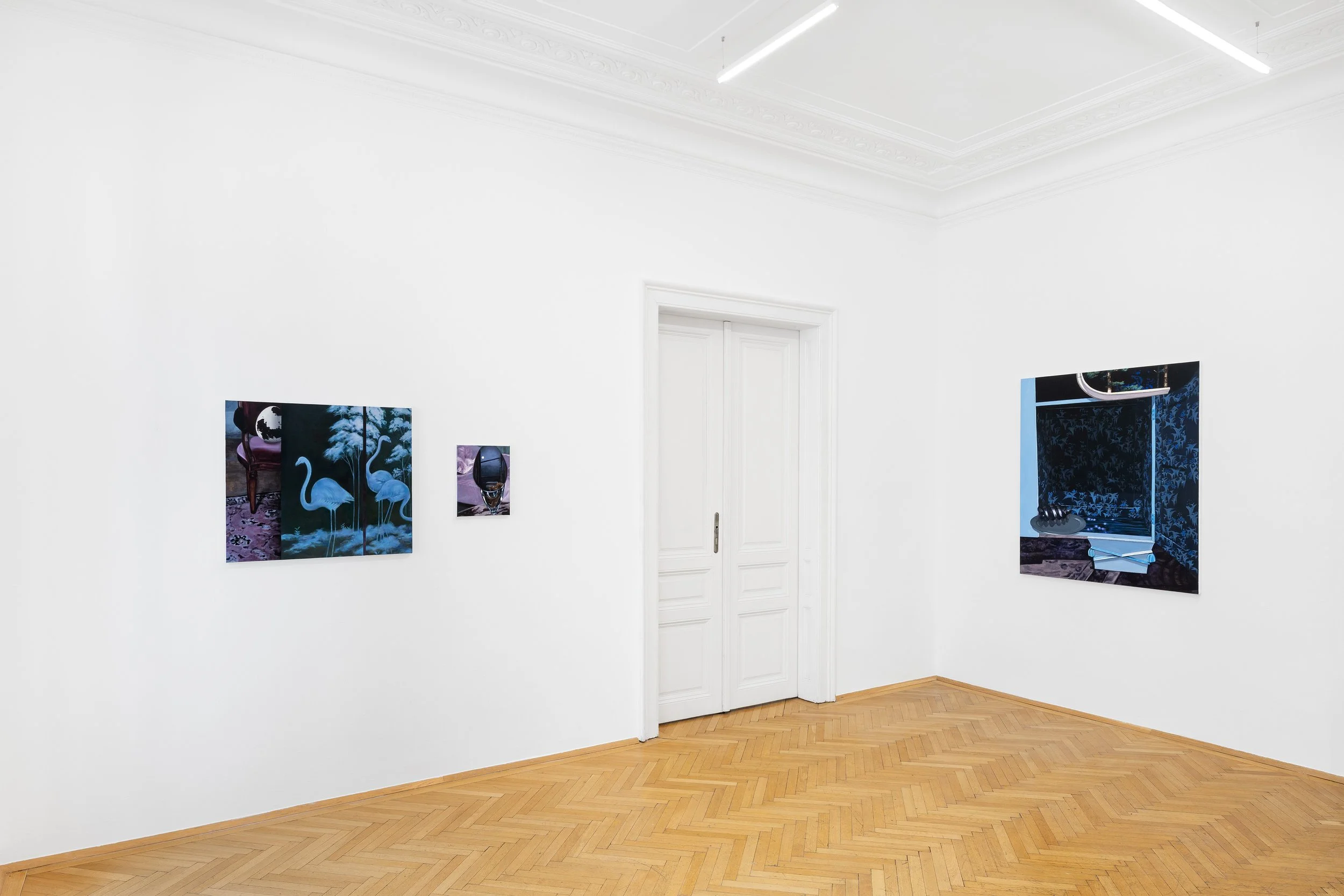
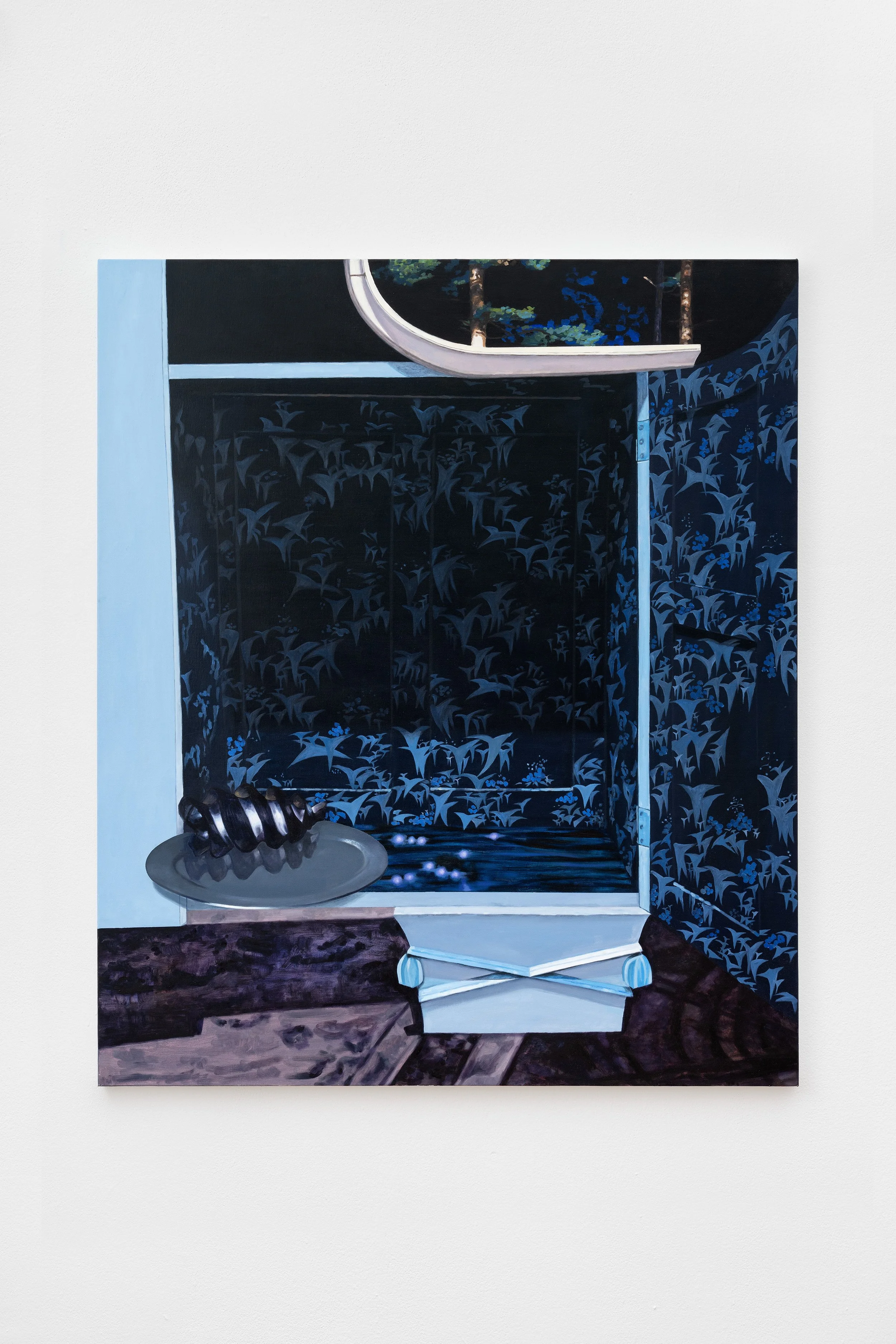
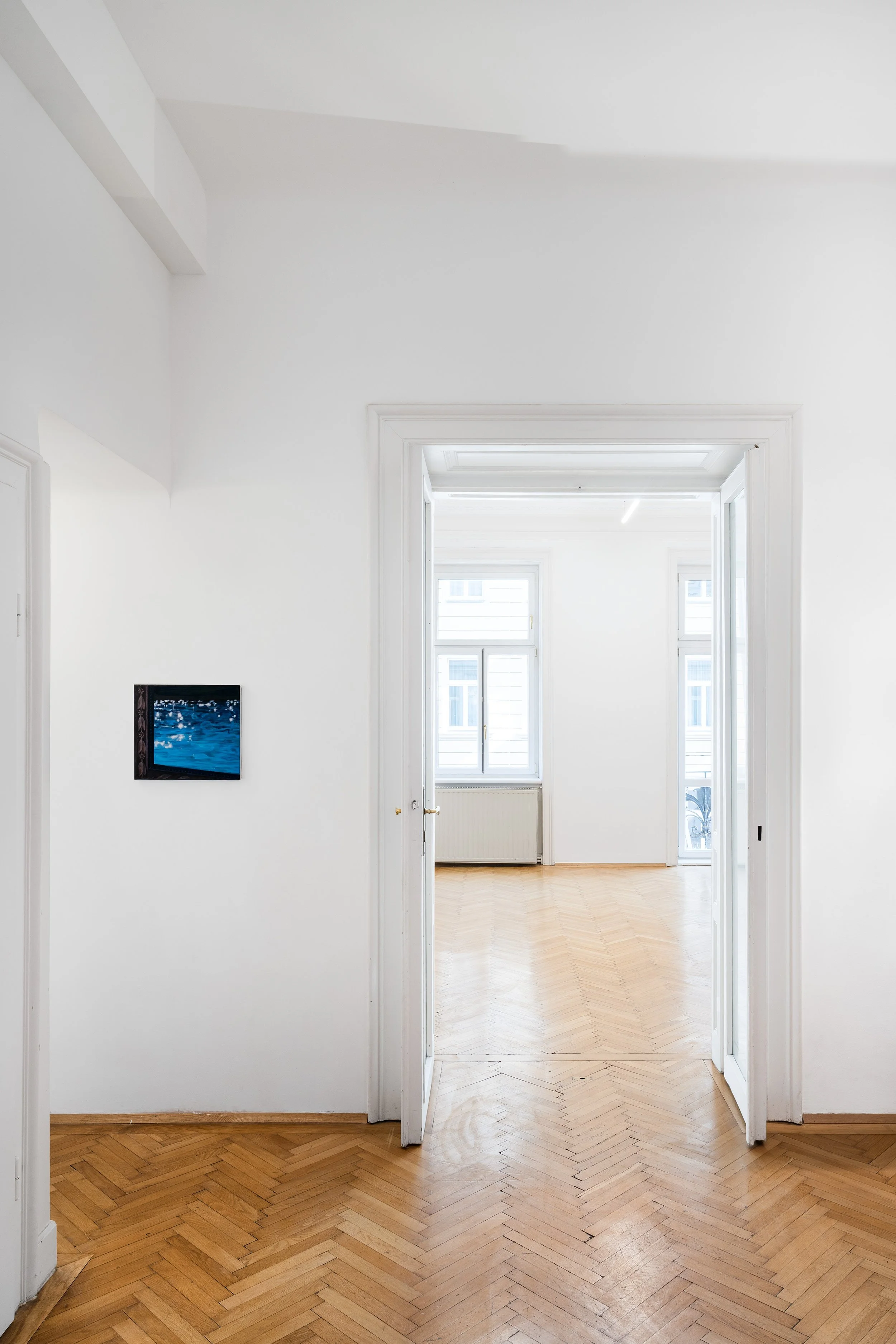
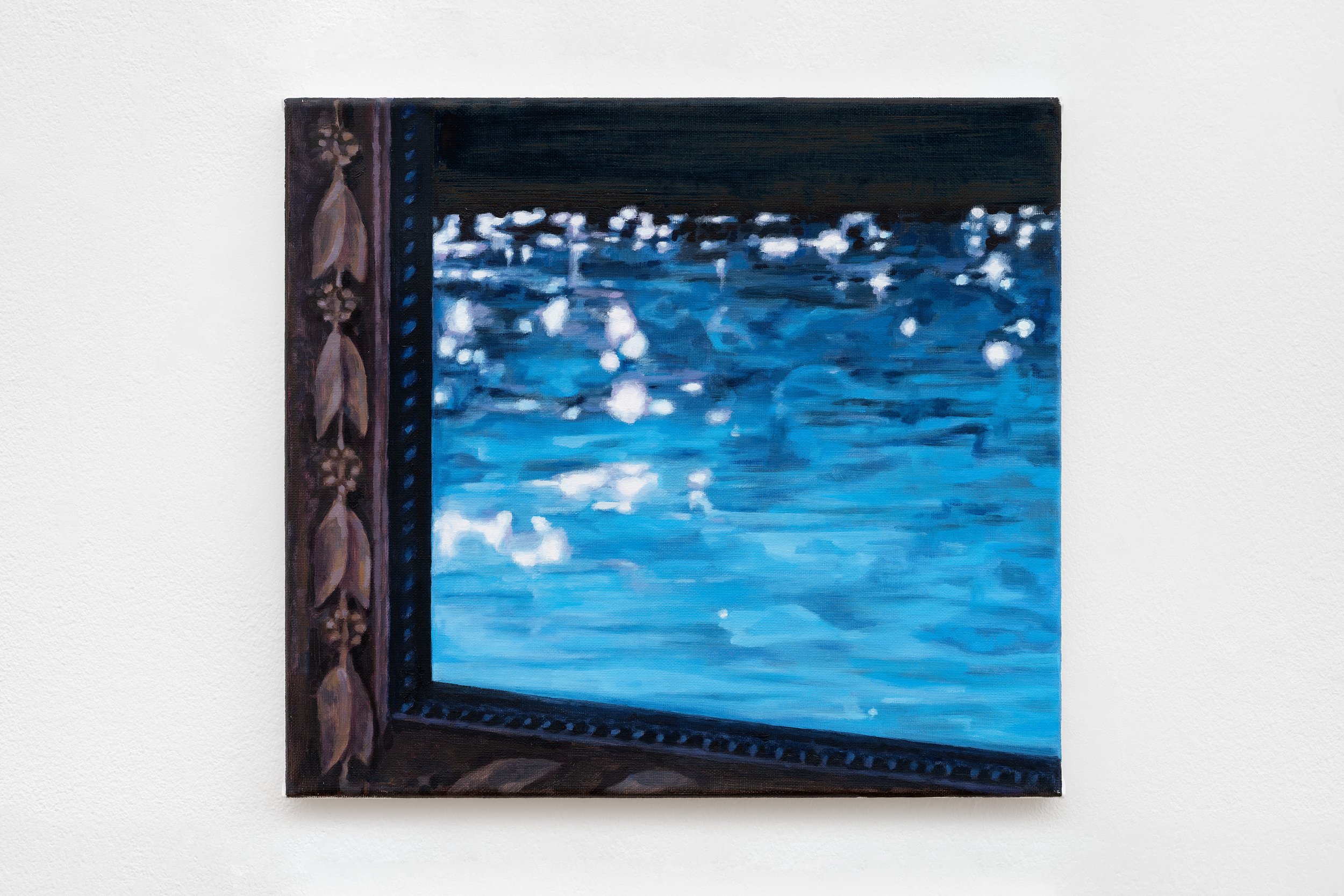
In Li Jun’s paintings the figure is absent, yet its presence lingers, embedded in the arrangement of things, in surfaces that seem to retain what has passed through them. Interiors appear suspended, composed of fragments that resist resolution. What remains is not the event itself, but its trace; a charged stillness that holds the question of what has been without answering it. Was someone here? Will someone return? This absence does not register simply as loss, but as a form of quiet resistance. It refuses to fully enter regimes of visibility, legibility, or availability.
In Breathe in Emptiness, space does not settle. Walls, partitions, curtains, and windows do not define stable limits; they shift, overlap, and dissolve into one another. Folding screens and layered interiors introduce a spatial logic in which inside and outside are no longer fixed, but continuously renegotiate. Water moves through the paintings, as both image and condition. It gathers, spreads, reflects, and withdraws. At times contained, at others barely held in place, introducing a state of constant flux. Surfaces loosen, edges soften, and the space itself begins to drift. Like breath, water expands and contracts, carrying a rhythm that resists fixation. It suggests continuity, yet also erosion and disappearance – a slow dissolution in which forms begin to lose their hold.
At first glance, the works’ settings recall familiar domestic environments, such as living rooms or bedrooms, spaces that suggest everyday routines and intimacy. Yet this intimacy does not offer shelter. It opens into an in-between condition, where withdrawal becomes visible and presence gives way to absence. The viewer is left alone with the image, confronted not with narrative, but with a quiet form of solitude.
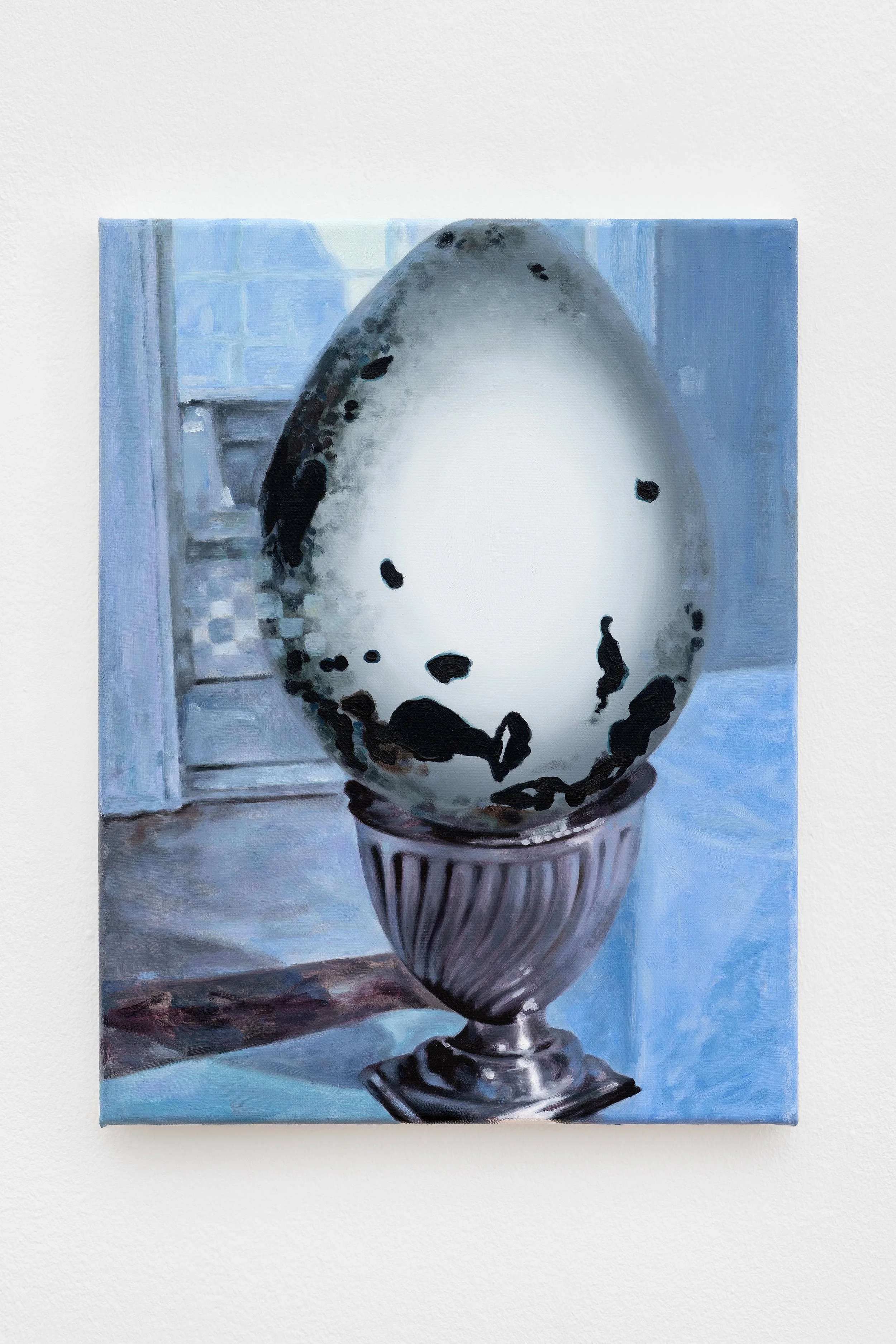
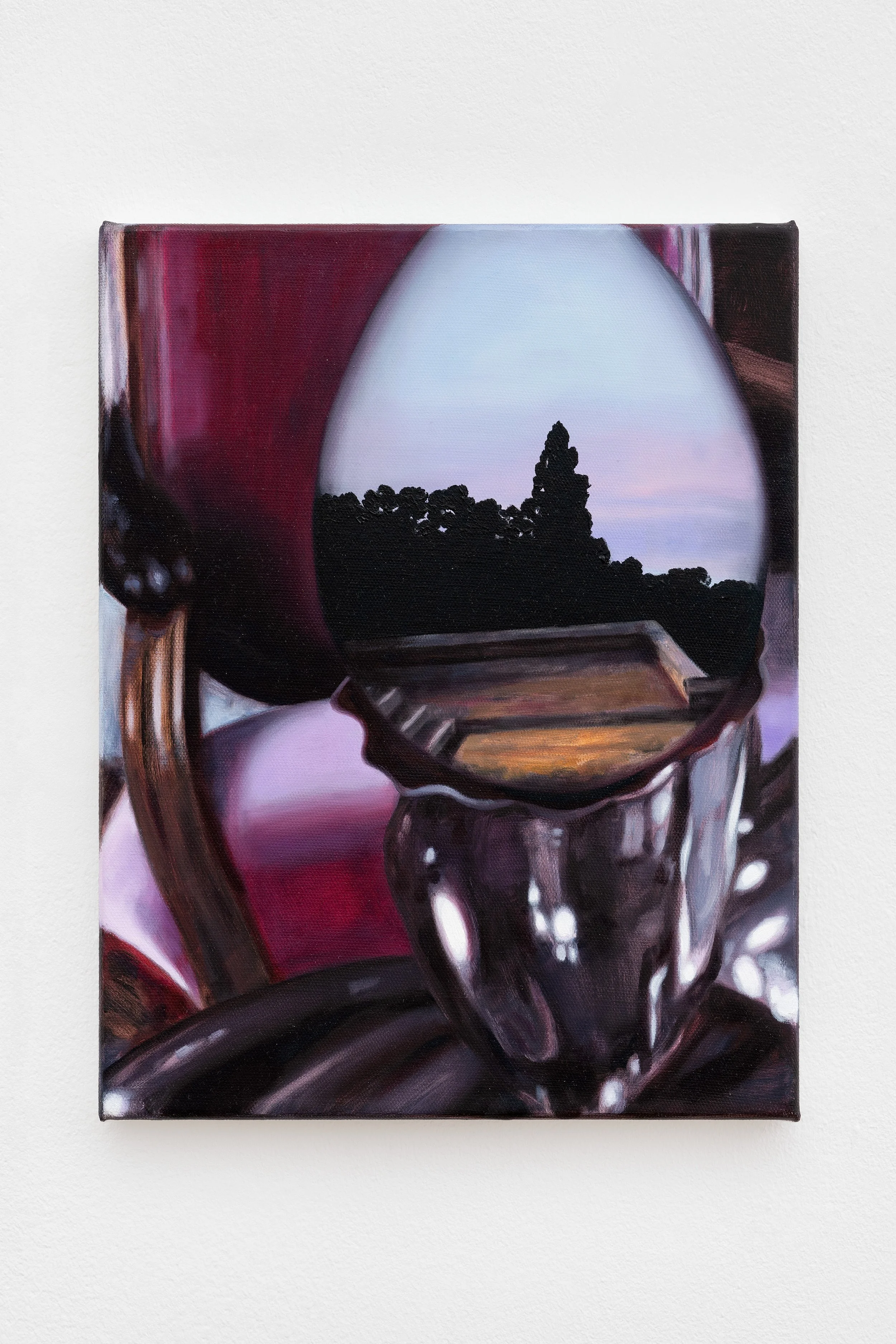
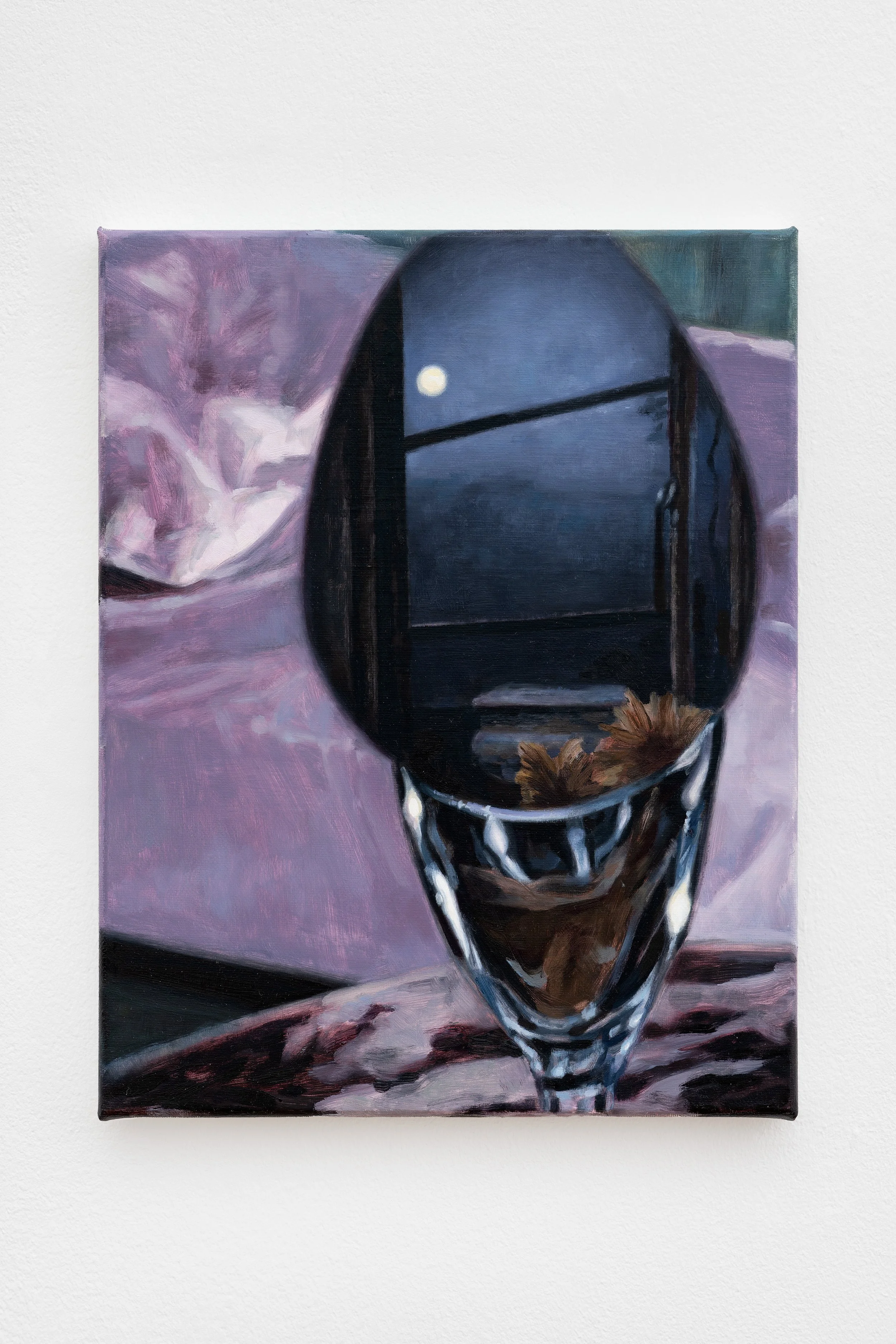
Objects persist, but no longer anchor meaning. A shell, a glass, a folding screen, an egg – each enters into a shifting constellation, suspended between containment and release. The egg, in particular, marks a threshold. It holds and protects, yet at the same time it encloses. What first appears as shelter slowly begins to resemble confinement. As a point of origin, it suggests a state in which everything remains intact, prior to separation or exposure. At the same time, its closed surface holds something back, giving it the quality of a secret, complete yet inaccessible. Its reflective quality introduces another layer, returning not a stable image but a mediated view, as if the surrounding world were seen at a distance or through another perspective. Gradually, this sense of completeness begins to shift. The egg takes on a more unsettling presence, no longer only protective, but also opaque and resistant.
In Moonlight by the Bed, the surface of the egg functions like a mirror. Fragments of a window come into view, opening onto a distant scene. The gaze is drawn outward, from the interior toward a world beyond, yet this outside remains distant, never fully within reach. What appears is not an exit, but a distance that remains, reinforcing a sense of being enclosed and alone.
The exhibition’s title, Breathe in Emptiness, resonates with Daoist philosophy, where emptiness (xu) is understood not as absence, but as a condition of openness and potential. It is emptiness that allows things to take form and become present. Within this logic, fullness and emptiness remain in constant exchange. In Li Jun’s paintings, what is not visible does not disappear. It persists, shaping the image from within. These works do not describe a scene; they sustain a state – one that continues to unfold beyond what can be seen.
Flora Feigl, 2026